
Updated November 2026 Winter smog season is here again; we have updated the advice on checking air quality, what happens on closure days and how to protect yourself at home.
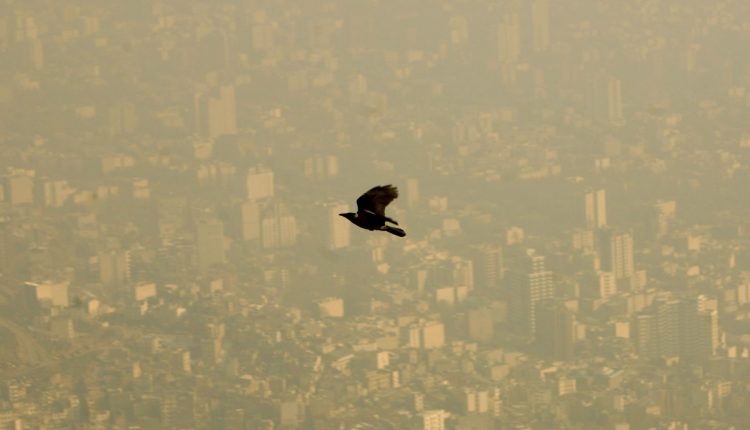
Air pollution in Tehran is worst from late autumn to early spring, when cold, still air traps traffic and industrial fumes against the Alborz mountains for days at a time. On the bad days the authorities close schools, move universities online and restrict traffic. You cannot fix the city’s air yourself, but you can check the readings every day, cut your exposure on high-pollution days and make your home a cleaner refuge. Here is how to deal with air pollution in Tehran in practice.
Why Tehran’s air gets so bad
The main culprit in winter is temperature inversion: a layer of warmer air sits over colder air at ground level and acts like a lid, so pollution builds up instead of dispersing. The city’s position at the foot of the mountains makes it worse. Without wind or rain, smog can sit over Tehran for a week or more.
The pollution itself comes mostly from an ageing fleet of cars and motorbikes, older industry around the city, low-quality fuel and, at times of gas shortage, power plants burning heavier fuels. Seasonal dust storms add to the load in spring and summer. The pollutant that matters most is fine particulate matter (PM2.5), small enough to reach deep into the lungs; nitrogen dioxide and ozone also play a part.
The health toll is serious. Iran’s health minister has said air pollution causes around 50,000 premature deaths a year across the country. Children, older people, pregnant women and anyone with heart or lung problems are most at risk.
How to check the air quality
Make checking the air quality index (AQI) part of your morning routine in winter. As a rough guide to the colour bands used locally:
| AQI | Category | What to do |
|---|---|---|
| 0–50 | Clean | Normal activities |
| 51–100 | Acceptable | Sensitive people should watch for symptoms |
| 101–150 | Unhealthy for sensitive groups | Children, older people and those with health conditions should limit time outside |
| 151–200 | Unhealthy for everyone | Avoid exercising outdoors; wear a proper mask if you go out |
| 201+ | Very unhealthy to hazardous | Stay indoors as much as possible |
Tehran’s municipality runs an air quality monitoring network with stations across the city, and publishes readings through its Tehran Air (Havaye Tehran) app and website. International sites such as the World Air Quality Index map also show Tehran stations, though some of them stop updating for long periods, so check the time stamp on any reading.
What happens on high-pollution days
When readings stay high, the provincial authorities announce emergency measures, usually the evening before. In recent winters these have included:
- Schools and universities switching to online classes
- Government offices, and sometimes private companies, allowing staff to work from home
- Banks opening only selected branches; museums sometimes close
- Private cars barred from central traffic zones during the day, and lorries banned from the city
- Cement works, sand and gravel mines and other polluting sites told to halt work
In late November 2025, for example, Tehran’s AQI rose above 170 and the province moved to two days of remote classes and work, The Star reported. Watch the local news or your children’s school groups for these announcements.

How to protect yourself
- Stay in on the worst days. Keep windows closed and save outdoor exercise for cleaner days, or move it indoors. Early morning and evening rush hours are usually the worst times to be out.
- Wear a proper mask. Cloth and surgical masks do little against fine particles. Use a well-fitting N95 or FFP2 mask, which you can buy at pharmacies.
- Use an air purifier. A purifier with a true HEPA filter makes a real difference in a bedroom or office. They are widely sold online, including on DigiKala, Iran’s largest online shop, and in electronics stores. Check the room size it is rated for and budget for replacement filters.
- Keep the car air on recirculate in heavy traffic, and replace the cabin filter regularly.
- Take the metro rather than walking along major roads where you can.
- Get out of town. On long smoggy spells, a weekend in the mountains or on the Caspian coast is a welcome break, and the air often improves within a short drive.
- Know your symptoms. Persistent coughing, wheezing, chest tightness or headaches are a reason to cut exposure further. If you have asthma or a heart condition, talk to your doctor before winter about a plan for bad-air days.
Small things that help
Individual action will not clear Tehran’s skies on its own, but it does add up. Use public transport, share lifts, keep your car serviced and its emissions certificate up to date, and avoid idling. Supporting green spaces and tree planting in your neighbourhood helps too. For the cost of purifiers, filters and other everyday items, see our Iran price trackers.