Updated November 2026 Dates refreshed: the next Eid al-Adha is expected on or around 16 May 2027, depending on the sighting of the moon, and we have corrected details of how the holiday works in Iran.
Eid al-Adha, known in Iran as Eid-e Ghorban, is the Feast of the Sacrifice, and Iranians celebrate it with prayers, the ritual sacrifice of a sheep or other animal, shared meals and gifts of meat to neighbours and the poor. It is a public holiday across the country, and in Tehran it is a quieter, more family-centred occasion than Nowruz but one that still changes the rhythm of the city for a day or two.
What Eid al-Adha commemorates
The festival recalls the story of the Prophet Ibrahim (Abraham), who was ready to sacrifice his son at God’s command before a ram was provided in the boy’s place. In the Islamic tradition the son is Ismail. The feast falls on the 10th of Dhu al-Hijjah, the twelfth month of the Islamic lunar calendar, and coincides with the climax of the Hajj pilgrimage to Mecca. The Persian name comes from ghorban, meaning sacrifice, and the holiday has been observed in Iran for well over a thousand years.
When is Eid al-Adha in Iran?
Because it follows the lunar calendar, Eid al-Adha moves about eleven days earlier each year. In 2027 it is expected on or around 16 May, though Iran’s official date depends on the moon sighting and can differ by a day from neighbouring countries. In many Arab states the holiday runs for several days, but in Iran only Eid-e Ghorban itself is an official day off. Many Tehranis take extra leave to bridge the gap to the weekend and head out of the city, so roads, trains and flights get busy. Eight days later comes Eid-e Ghadir, another public holiday in Iran, which turns the period into something of a festive fortnight for many families.
How Iranians celebrate Eid-e Ghorban
The day begins with Eid prayers at mosques and prayer grounds across the country. Afterwards, families who can afford it have a sheep, goat or occasionally a cow or camel slaughtered according to Islamic rules: the animal must be healthy and without defects, and the slaughter carried out by an adult Muslim. Most families in Tehran now arrange this through a butcher or a charity, which often handles the sacrifice and distribution on their behalf, but you may still see animals being slaughtered in some neighbourhoods and occasionally in public spaces. If that is something you would rather avoid, keep to the main commercial streets on the morning of Eid.
The meat is traditionally divided into three portions: one for the household, one for relatives, friends and neighbours, and one for people in need. Charity is at the heart of the occasion, and it means many poorer families eat meat they could not otherwise afford.
The rest of the day is about visiting. People call on older relatives, exchange small gifts and sometimes visit the graves of family members. Customs vary from region to region, but prayer, sacrifice, charity and family are constant everywhere.
The “salty Eid”
Iranians sometimes call Eid-e Ghorban the salty Eid, in contrast to the sweet treats of Eid al-Fitr at the end of Ramadan, because the food is overwhelmingly savoury. Expect kebabs grilled from the fresh meat, liver skewers (jigar) and rich stews served with rice. Halim, a thick porridge of wheat and meat, is also popular around this time. Vegetarians should be prepared: this is not a holiday built around meat-free dishes.
An Eid getaway
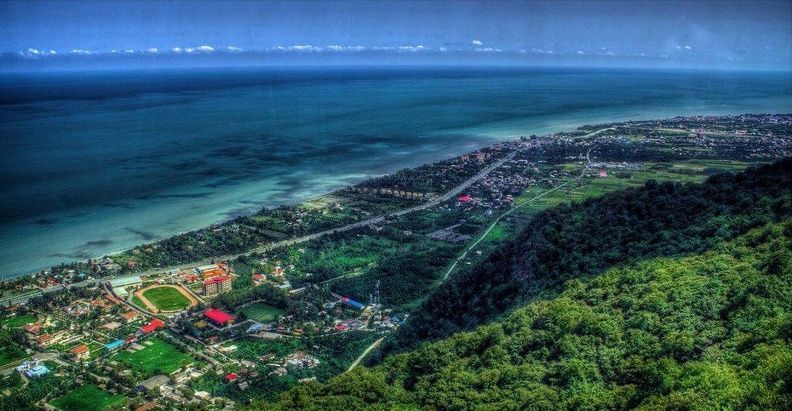
For many Tehranis the holiday is simply a chance to escape. With the weather warming up, the Caspian coast and the Persian Gulf islands are popular, as are the cooler villages of the Alborz mountains. If you plan to travel over Eid, book transport and accommodation early, and expect Tehran itself to be pleasantly quiet. Banks and government offices close for the day, but most cafés, restaurants and supermarkets reopen by the afternoon or the following morning. Our Iran price trackers will help with budgeting for the trip.
For another of the major dates in Iran’s religious calendar, see our guide to Tasua and Ashura in Tehran.