Updated November 2026 The headscarf is still a legal requirement in Iran, although street enforcement in Tehran has become much more relaxed; we have refreshed the advice for visitors to match.
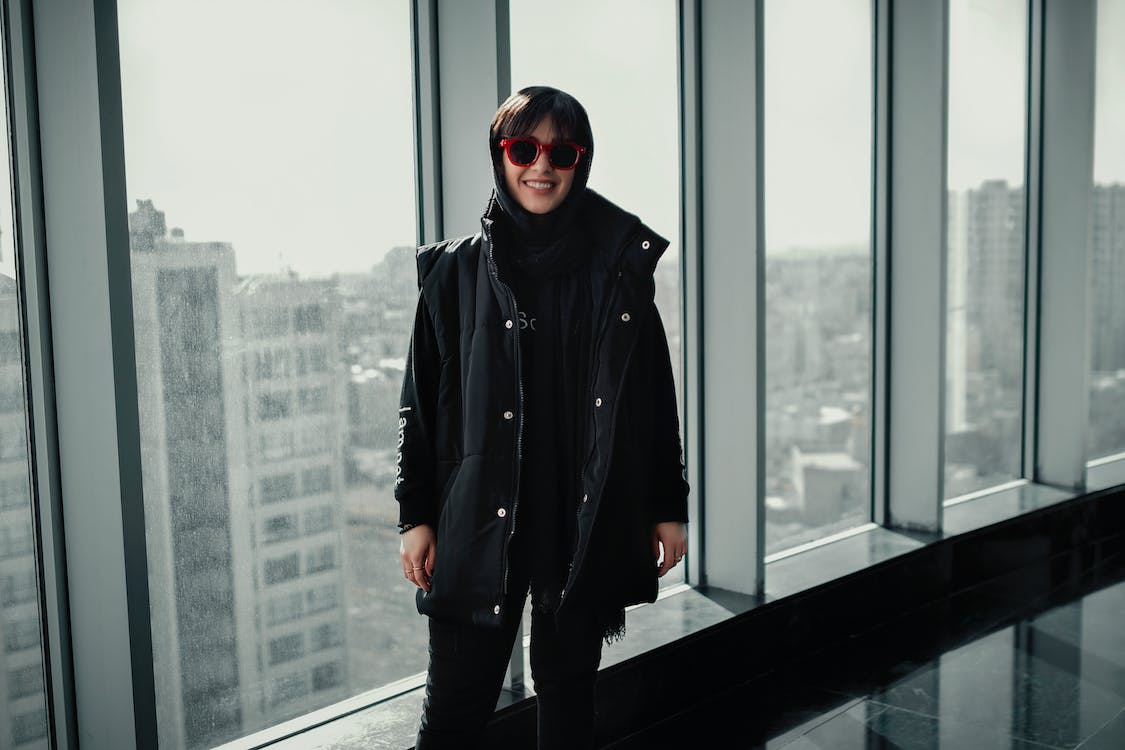
The hijab rules for visitors to Iran are simpler than many people expect. By law, every woman over the age of puberty, Iranian or foreign, should cover her hair in public and wear loose clothing that covers her arms and legs. In practice, foreign visitors are treated leniently, and a light scarf, a long loose top or coat and trousers will see you through almost every situation. This guide explains what to wear, where the rules are stricter, and what you will actually see on the streets of Tehran today.

What the law says and how it works in practice
Compulsory hijab was introduced after the 1979 revolution and remains on the statute books. What has changed is enforcement. Since the 2022 protests, the authorities have stepped back from routine street policing, and in Tehran you will now see many women in cafés, parks and shopping streets with their scarves around their shoulders or not worn at all. AP reported in September 2026 that this relaxed approach was continuing, even as some officials pushed for a tougher line.
That does not mean the rules have gone away. Cafés and businesses are still occasionally closed or fined for not enforcing them, and women can still be summoned over dress. As a guest in the country, the sensible approach is to follow the law: wear a scarf in public, even if it sits loosely, and keep your arms and legs covered. Nobody expects a tourist to look like a devout local, but arriving with no scarf at all invites trouble you do not need.
Arriving at the airport
Put your scarf on before you leave the plane. Imam Khomeini International Airport is a government-run space, and immigration and customs officers expect women to be covered. Long sleeves and full-length trousers or a long skirt are the safe choice for the journey; avoid shorts, short skirts and sleeveless tops.
What to wear: manteau, scarf and chador
The most common outfit for women in Iran is a scarf combined with a manteau, a word borrowed from French for a long, loose coat or tunic worn over ordinary clothes. A decade ago manteaus were often tight and dark; today they are lighter, looser and come in every colour, which makes them far more comfortable in the Tehran summer. You can buy one cheaply in any bazaar or shopping centre on your first day, so there is no need to pack a special wardrobe. A long, loose shirt or cardigan that reaches mid-thigh does the same job.
For the head, any light scarf or shawl works. Cotton or viscose is cooler than synthetic fabric, and a slightly larger scarf is easier to keep in place.
The chador is a full-length black cloak held closed by hand; the word means “tent”. Visitors are never required to wear one in everyday life, and in Tehran it is mostly worn by more religious women. The exception is holy sites (see below).
Footwear is relaxed. Sandals and open-toed shoes without socks are fine for both women and men.
Shops, malls and offices
In shopping centres, restaurants and other commercial spaces, a scarf and manteau remain the norm. Expect stricter standards in government offices, banks, universities and other official buildings, where staff may refuse service if you are not covered. Keep a scarf in your bag even if you have taken it off in a park or café.
Inside private homes
Behind closed doors, the rules relax considerably. If you are invited to someone’s home, your hosts will usually be happy for you to remove your scarf, unless the family is religious or there are older relatives present. Follow your host’s lead and ask if you are unsure.

Holy sites: Qom and Mashhad
Religious cities and shrines are where the dress code is genuinely strict. Mashhad in particular is more conservative than Tehran. At major shrines, including the Imam Reza Holy Shrine in Mashhad, the Fatima Masumeh Shrine in Qom and Jamkaran Mosque near Qom, women are expected to wear a chador. Many shrines lend chadors at the women’s entrance, so you do not need to bring your own. Foreign visitors are usually welcomed and are often assigned a guide who can explain what is permitted.
Mosques, shrines and imamzadehs (smaller tomb shrines) in Tehran also expect a fuller covering than the street, so wear your loosest clothing and a scarf that covers your hair properly when you visit.
Burqas and face coverings
The burqa is almost never seen in Iran. The one face covering you might come across is the boregheh, a decorative mask-like veil worn by some women in Hormozgan province on the Persian Gulf coast. You are unlikely to see it in Tehran or the main tourist cities.
A note for men
Men face fewer rules but should still avoid shorts in most public places, especially mosques, shrines and government buildings. Short-sleeved shirts are fine on the street.
Quick checklist for female visitors
- Scarf on before you land, and in your bag at all times.
- Loose top or manteau covering your bottom, plus trousers or a long skirt.
- Stricter dress for government buildings, banks, universities and mosques.
- Expect to wear a chador at major shrines; it can usually be borrowed at the entrance.
- Follow your hosts’ lead in private homes.
If you are planning your budget for a new wardrobe or anything else, our Iran prices tracker gives up-to-date guidance on what things cost.