Updated November 2026 We have refreshed the visitor details and directions; opening hours can change at short notice, so check before you go.
The Iran Music Museum in Tehran, often called the Tehran Music Museum, is a garden villa just north of Tajrish Square given over entirely to Iranian instruments and recordings. In a few rooms you can follow the story of Persian music from village and tribal instruments to the tars and setars of the great Qajar-era masters, and it is one of the most enjoyable small museums in the north of the city.

The building
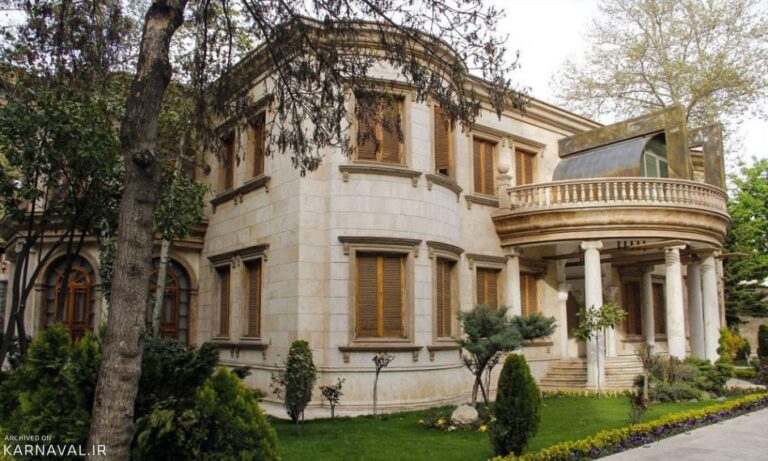
The museum occupies a three-storey house set in its own garden, built in the early 1970s as a private home. After several years of restoration it opened as a museum in 2009, and it still feels more like a family villa than an institution, which makes it a relaxed place to wander.
What you will see
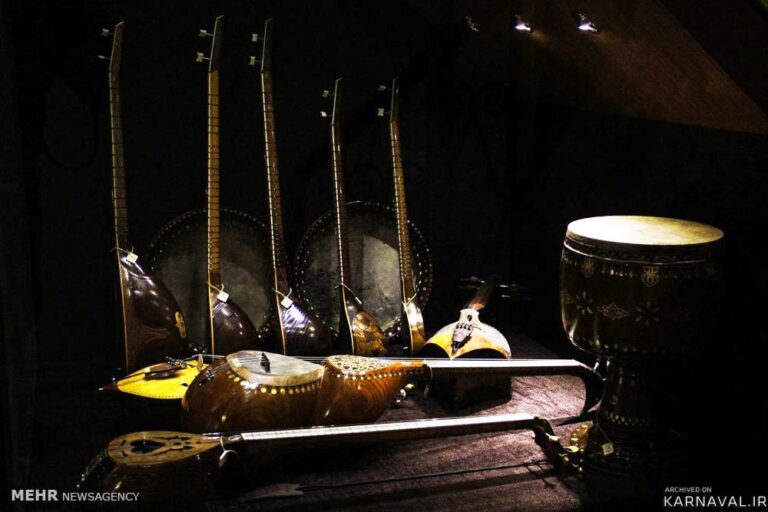
The core of the museum is its collection of a couple of hundred instruments, grouped by type and region. Halls are given over to percussion, plucked strings and bowed strings, with separate displays of the instruments of particular regions, so you can see how the same basic instruments change from one corner of the country to another.

- Instruments of the masters: a treasury of pieces that belonged to well-known musicians, from Mirza Abdollah Farahani, the Qajar-era master of the tar and setar, to contemporary performers such as the kamancheh player Kayhan Kalhor.
- Recording and broadcasting: gramophones, phonographs, reel-to-reel machines and cassette players that show how Iranians have listened to music over the past century.
- Audiovisual archive: a large collection of historic recordings and old photographs, used by researchers and musicians.
- Workshop: a basement workshop where craftsmen build new instruments and restore old ones, giving a sense of how a tar or kamancheh is put together.
- Library: a specialist music library, mainly in Persian.
If you know little about Persian music, a quick read about the tar, the long-necked lute at the heart of classical Iranian music, will help you get more from the displays.

Getting there
The museum is on Namazi Street, a side street off Darband Street a short way north of Tajrish Square. Take Line 1 of the metro to Tajrish, walk up to the square and head north along Darband Street; the walk takes around 15 minutes. A Snapp or Tapsi ride from anywhere in the north of the city is quick and cheap. Our guide to Tajrish has more on the neighbourhood.
Opening hours and tickets
Visiting the Music Museum of Iran: at a glance
- Opening hours: Saturday: closed; Sunday to Friday: 10:00 to 17:00
- Time needed: 1 to 2 hours
- Phone: +98 21 22672785
- Address in Persian (show this to your driver): تهران، میدان تجریش، خیابان دربندی، خیابان موزه
- Open the Music Museum of Iran in Google Maps
Hours can change on public holidays and during Ramadan, so check before you set out.
The Music Museum of Iran in pictures
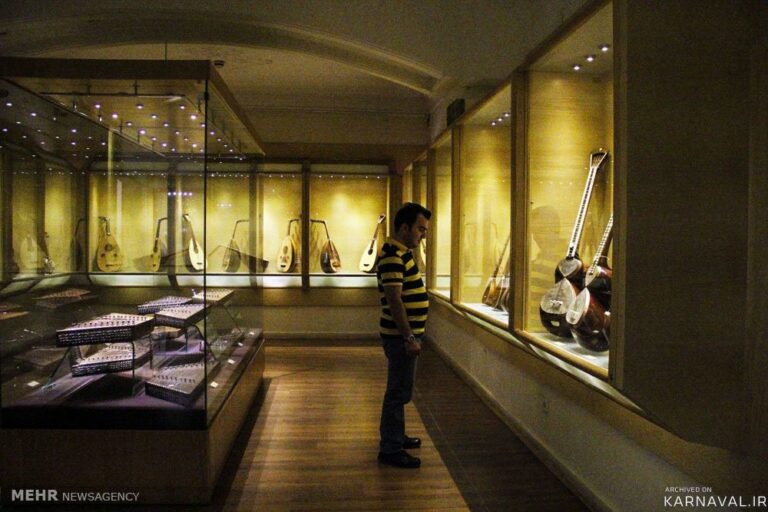
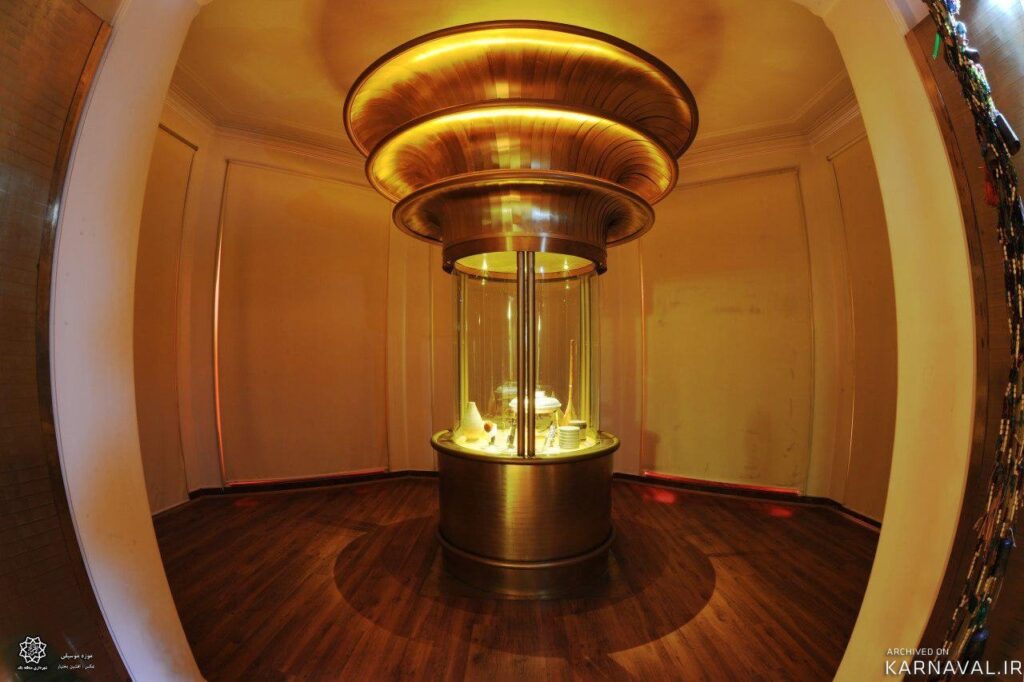
The museum has generally opened from mid-morning until late afternoon, Saturday to Thursday, and closed on Fridays. Hours change on public holidays and during national mourning periods, so it is worth checking locally before making a special trip. Foreign visitors pay a higher ticket price than Iranians; see our Iran price trackers for a sense of current costs.

Tips for your visit
- Allow an hour to an hour and a half. The garden is a pleasant spot for a break, and there has been a small café on site.
- Labels are mostly in Persian, with limited English, so a Persian-speaking friend or guide makes a real difference.
- Pair the visit with lunch in Tajrish, a stroll through the bazaar or an afternoon up the valley in Darband.
- Ask at the desk whether any concerts or talks are scheduled; the museum hosts occasional events.