
Updated November 2026 We have refreshed this guide with current tips on eating and shopping in Marvi and corrected the history of its landmarks.
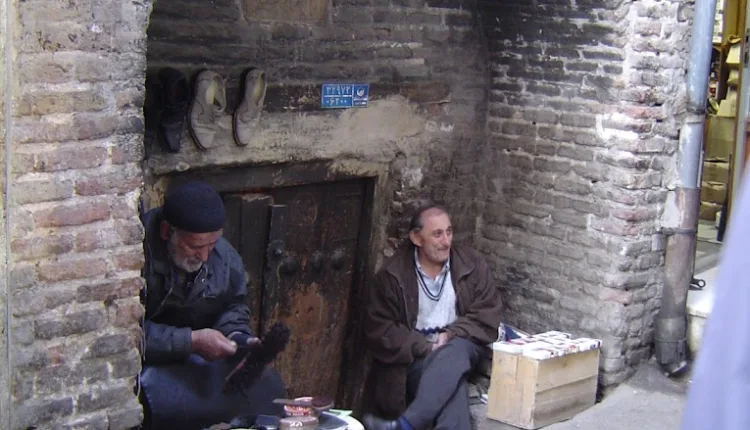
Marvi Alley in Tehran, known locally as Kucheh Marvi or the Marvi Bazaar, is a narrow, bustling lane off Naser Khosrow Street on the western edge of the Grand Bazaar. It is best known for its cheap, crunchy falafel sandwiches, but a walk through its brick arcades also takes you past a 200-year-old seminary, small clothes and household shops and some of the most atmospheric corners of old Tehran. If you are heading to the bazaar, Marvi makes a perfect lunch stop.

The alley opens off Naser Khosrow, one of the oldest streets in the city, a short walk south of Toopkhaneh (Imam Khomeini Square) and close to the Golestan Palace. From there it winds east through vaulted passages until it meets the lanes of the Tehran Grand Bazaar. Naser Khosrow itself is lively and crowded, famous for its pharmacies and medical suppliers, so stepping into the arcades of Marvi feels like entering a slightly calmer, older world.
Food is the main reason most people come. Marvi is synonymous with falafel in Tehran, a tradition often credited to families with roots in Iraq who settled in this part of the city in the 1970s and 1980s. The best-known stall, simply called Marvi Falafel, serves hot falafel stuffed into bread with pickles, tomato and herbs, with sauces you add yourself. Seating is minimal and most people eat standing or on the move. Opinions vary on which stall is best, so do as the locals do and follow the queue. Shawarma sandwiches are also easy to find, and our guide to the best restaurants in Tehran Bazaar has more ideas if you want a sit-down meal of chelow kabab or dizi afterwards. For more on snacking your way around the area, see our round-up of Grand Bazaar eateries.

Between meals, the alley is a good place for bargain shopping. Small shops sell clothing, fabrics, shoes and household goods at prices generally lower than in the malls of north Tehran, and you will find the odd antique or second-hand dealer among them. It is a working market rather than a tourist strip, so expect to haggle gently and to be jostled by porters with handcarts.
The alley takes its name from the Marvi Seminary (Madreseh-ye Marvi), founded in 1816 by Mohammad Hossein Khan Marvi, known as Fakhr al-Dowleh, a governor of Merv under Fath-Ali Shah Qajar. Its tiled portal and courtyard are among the finest Qajar-era religious buildings in Tehran, and the school is still an active seminary, with a mosque attached. Visitors can sometimes glimpse the courtyard from the entrance, but remember it is a place of study and prayer, so dress modestly and ask before going in or taking photographs.
The easiest way to get there is by metro. Take Line 1 or Line 2 to Imam Khomeini station at Toopkhaneh, walk a short way along Bab Homayoun Street and cut across to Naser Khosrow; the entrance to Marvi is on the eastern side of the street, roughly opposite the Golestan Palace area. Panzdah-e Khordad station on Line 1 is another option if you are coming from the bazaar. Driving is not recommended: the area is inside the central traffic restriction zone, parking is almost impossible and the streets are packed with motorbikes. A taxi or ride-hailing car to Toopkhaneh, followed by a short walk, is far less stressful.
A few final tips. Go in the late morning or around lunchtime on a weekday, when the food stalls are busiest and freshest; many shops close early on Thursdays and most of the bazaar shuts on Fridays. Carry cash in small notes, keep an eye on your phone and wallet in the crowds, and combine your visit with the Grand Bazaar, the Golestan Palace (check first whether it has reopened after the 2026 repairs) and the old streets around Toopkhaneh.