Updated November 2026 We have corrected the history of how the jewels reached Iran, added current visitor rules and removed details we could not reconfirm; opening times change often, so check before you go.
The National Jewelry Museum in Tehran, officially the Treasury of National Jewels, is a vault beneath the Central Bank of Iran that holds one of the most spectacular collections of gems and royal regalia in the world. Here you can see the Darya-ye Noor, the world’s largest known pink diamond, the jewel-encrusted crowns of the Qajar and Pahlavi kings and a golden globe set with thousands of precious stones. It is open only on limited days, but for anyone living in or visiting Tehran it is well worth planning around.
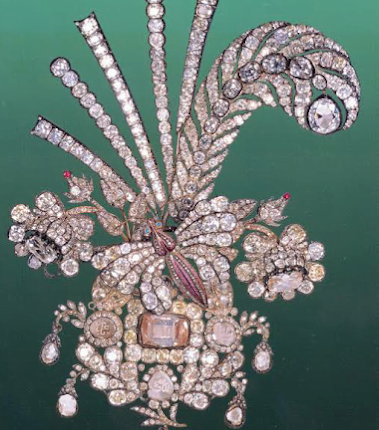
How the collection came together
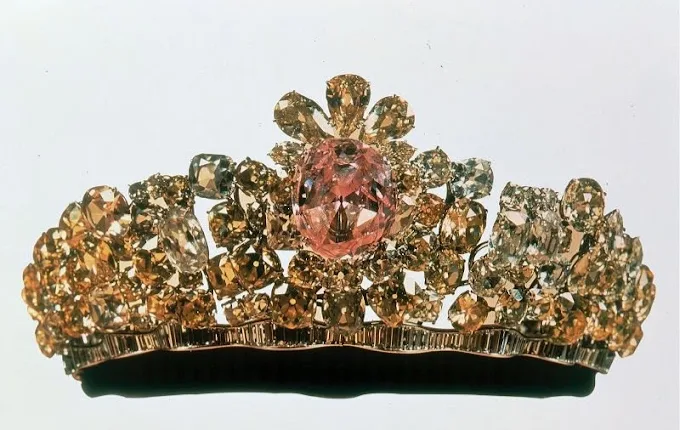
Most of the collection was assembled under the Safavid dynasty, which ruled Iran from 1502 to 1736 from its capital at Isfahan. The Safavid shahs bought gems from across Asia and Europe and received many more as diplomatic gifts.
That treasure was lost when Afghan forces invaded in the early 18th century and sacked Isfahan, carrying off much of the royal hoard. It was Nader Shah who brought it back, and more besides. After driving out the Afghans, he launched a campaign east in 1738 that took Kandahar and Kabul and ended with the sack of Delhi, from where he returned with the Mughal emperors’ legendary jewels, including the Darya-ye Noor and the Peacock Throne, according to Wikipedia. Some of that hoard was lost again in the turmoil after his assassination, but much of it stayed in Iran.
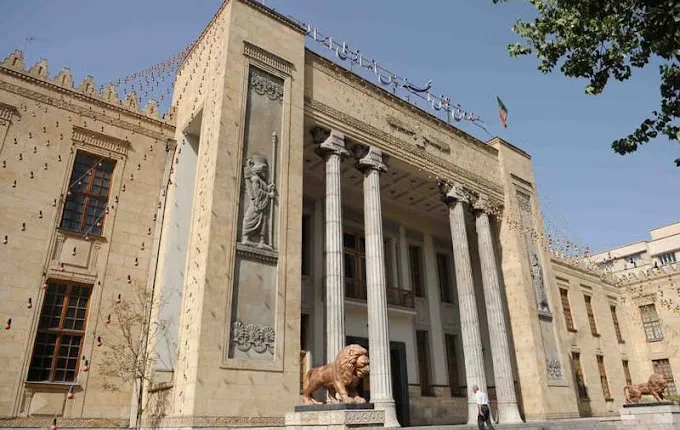
The Qajar kings added to the collection and commissioned new pieces from existing stones, among them the Kiani Crown and the famous jewelled globe. In 1937, under Reza Shah, the jewels became the property of the state and were placed in the vaults of Bank Melli to back the national currency. They were later put on public display in a purpose-built treasury, which moved to the Central Bank, where they remain today.
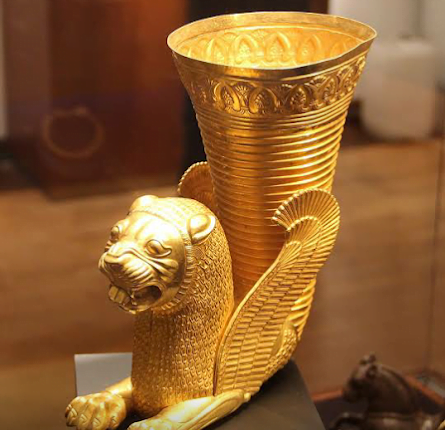
Highlights to look out for
- Darya-ye Noor (“Sea of Light”): a pale pink diamond of an estimated 182 carats, one of the largest cut diamonds anywhere and the star of the collection.
- The Pahlavi Crown: made in 1926 for Reza Shah’s coronation, it holds 3,380 diamonds, 369 pearls and five large emeralds and weighs around two kilograms.
- The Kiani Crown: the tall, pearl-studded crown of the Qajar dynasty, which the Pahlavi Crown was made to replace.
- The Jewelled Globe: a large golden globe made under the Qajars, with its oceans picked out in emeralds and its lands in other precious stones.
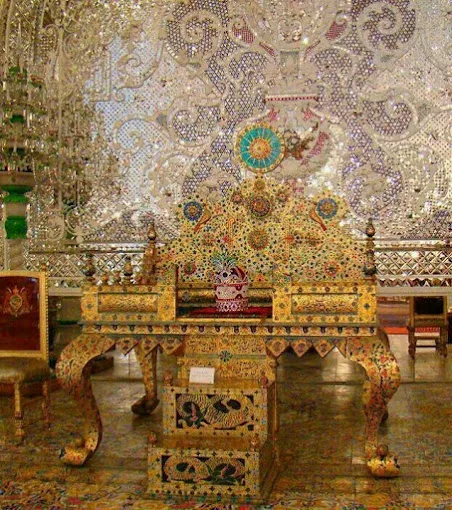
- The Naderi Throne, the Noor-ol-Ain tiara, jewelled swords and scabbards, and boxes, dishes and necklaces covered in pearls, diamonds and emeralds.
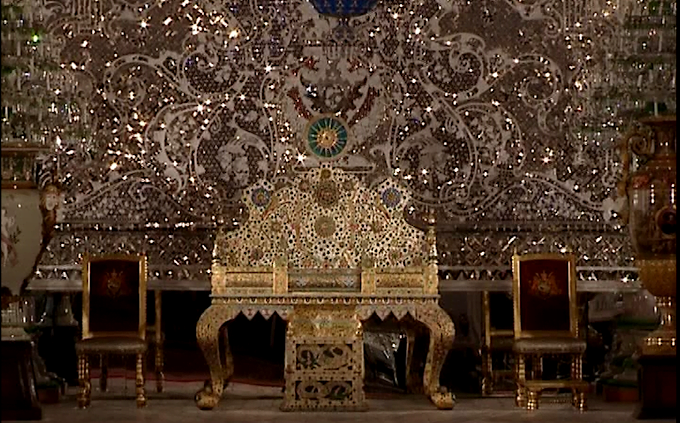
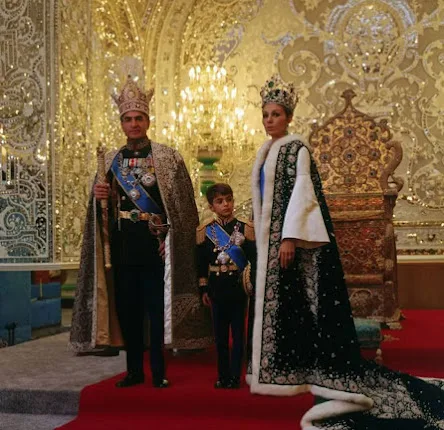
The display is compact, in a single dimly lit vault, and many visitors are surprised at how much is packed into it. An hour is usually enough, though you can easily spend longer. Reading up on the main pieces before you go makes the visit far more rewarding, as the labels tell you little about the stories behind them.
Visiting: rules and practical tips
The treasury has had periods of closure and restricted access over the years and its schedule is limited, with opening on only some days of the week, typically in the afternoon. Confirm current days and times with the Central Bank of Iran, your hotel or a local tour operator before you go.
- Bags and phones: phones, smartwatches, cameras and bags must be left at the depository counter, and there is a security check at the entrance, so photography is not possible.
- Children: the published minimum admission age is 12.
- Tickets: buy them on site; foreigners pay more than Iranians, and groups of more than ten need an appointment. For an idea of current costs, see our Iran prices pages.
- Access: the treasury is reached by stairs, with no lift, which matters for visitors with limited mobility.
These rules are summarised by SURFIran, which also advises checking the latest status directly with the Central Bank.
Getting there
The treasury is inside the Central Bank of Iran’s headquarters on Ferdowsi Street in downtown Tehran. The simplest route is to take Line 1 of the Tehran Metro to Imam Khomeini station and walk north along Ferdowsi Street for around ten minutes. If you prefer two wheels, you can also take a folding bicycle on the metro.
Ferdowsi Street is also the heart of Tehran’s currency exchange trade, so it is a convenient place to change money on the same trip; our guide to exchanging money in Iran explains how. The National Museum of Iran is also a short walk away, making for a full day of Iranian history.