Updated November 2026 Rewritten with clearer season-by-season advice, the city’s recent record heat and drought, and tips on air quality.
Tehran weather follows a semi-arid pattern with four distinct seasons: hot, dry summers, cold winters with regular snow in the north of the city, and short, pleasant springs and autumns that are the best time to visit. Because the city climbs from the desert plain in the south to the foothills of the Alborz mountains in the north, the weather can feel noticeably different from one district to another on the same day. This guide explains what to expect through the year and how to plan around it.
What shapes Tehran’s climate
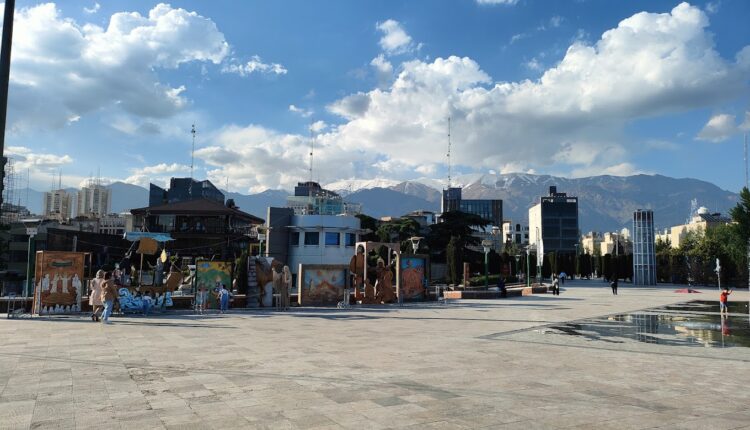
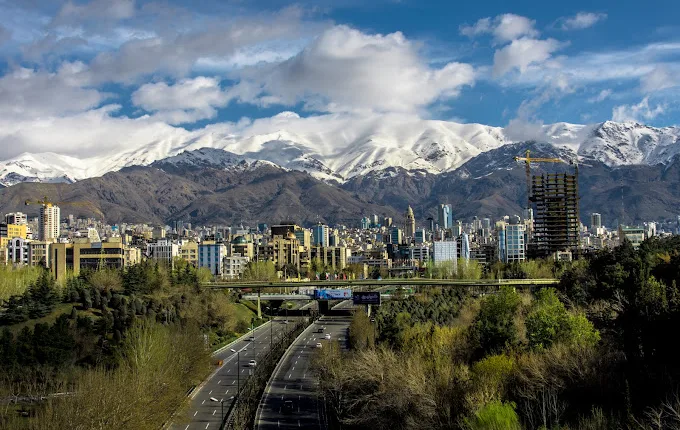
Three things decide the weather here. To the south lie the dry plains that run towards Iran’s central deserts, which send hot, dusty air into the city, especially in summer. To the north the Alborz range shelters Tehran from the Caspian and brings cooler air, snow and most of the city’s rain and run-off. And moist westerly weather systems bring the rain and snow of the winter months.
Most of the city is classed as cold semi-arid, with rainfall in central Tehran averaging only around 230 to 300 mm a year, almost all of it between November and May, according to Wikipedia’s climate summary. June to September is usually completely dry.
North versus south Tehran
The difference in height across the city is large: from roughly 1,100 metres in the south around Rey to well over 1,800 metres in the northern suburbs. As a rule, the higher you go, the cooler, greener and slightly wetter it gets. Northern districts get more snow and stay a few degrees cooler on summer nights, while the lower, more built-up south heats up faster and has bigger swings between day and night temperatures.

That is one reason the northern and north-western districts are popular with residents and expats. District 1 in the far north, which includes neighbourhoods such as Sohanak, District 3, home to Darous, and District 5 in the north-west, which includes Shahran, are greener and calmer than the centre and feel more comfortable in the summer heat.

Tehran’s weather season by season
Spring (late March to May) is the city at its best. Trees blossom, the mountains are still capped with snow and days are warm and sunny, with the odd shower. Spring starts with Nowruz, the Persian New Year, when many Tehranis leave town and hotels across the country fill up.
Summer (June to mid-September) is hot and dry, with daytime highs typically in the mid-thirties Celsius and occasional spells well above 40°C, as during the long heatwave of July and August 2025. Humidity is low, so the heat is dry rather than sticky, and evenings are pleasant, which is why parks and cafés stay busy until late. Recent summers have also brought water and power-saving measures, including office closures on the hottest days.

Autumn (late September to November) is the second-best season. Temperatures fall back to comfortable levels, the trees along streets such as Valiasr turn gold and orange, and the first rains arrive in November.
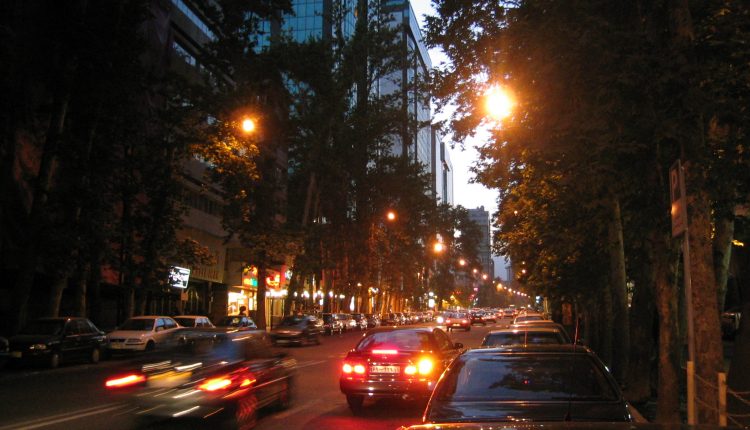
Winter (December to February) is cold, with nights often around or below freezing. Snow falls most winters; it rarely settles for long in the centre but can be heavy in the north, and the ski resorts in the Alborz, some within an hour of the city, open for the season. Winter is also the worst time for air pollution, when still, cold air traps smog over the city for days at a time.

Air quality and other weather hazards
On calm winter days a temperature inversion acts like a lid over the city, and pollution can reach levels that are unhealthy for everyone, sometimes leading authorities to close schools. Check daily readings with an air quality app and consider a proper face mask if you have asthma or other breathing problems. Dust storms blowing in from the south and west can also cut visibility in spring and summer.
Water is a growing concern after several years of drought, and Tehran has seen overnight water pressure cuts. Our guide to the pros and cons of living in Tehran covers this and other practical issues.
When is the best time to visit Tehran?
For most people, April to early June and late September to early November are ideal, with mild temperatures, clear skies and the mountains at their most beautiful. These are also the busiest months for tourism, so book accommodation early; our guide on how to book hotels in Iran explains how. Summer suits those who do not mind heat and want long evenings outdoors, while winter is for skiers and anyone who enjoys crisp, cold days, as long as you keep an eye on the pollution forecasts.
Whenever you come, pack layers: even in summer the mountain districts cool off at night, and in spring and autumn the temperature can swing widely between afternoon and evening. For an up-to-date forecast, the Met Office publishes a reliable outlook for Tehran.
Planning a trip to Tehran?
- Getting there: see which routes are running in our flights guide, and compare fares to Istanbul on Aviasales. You can also go overland via Armenia or Turkey.
- Getting online: a travel eSIM such as Airalo works from the moment you land.
- Budget beds: browse Tehran hostels on Hostelworld, or read our hotels guide.
- Costs and cover: work out a daily budget with the trip cost calculator, and check our insurance guide.
This box contains affiliate links. Read our disclosure.
A note on our affiliate links: LiT’s affiliate earnings are not earned from inside Iran. Our partners are international companies based outside the country, and no commission is paid to us by any business in Iran.