Tehran is sometimes known as a late city (when things are normal). Most shops stay open until 10 or 11 at night, families eat dinner after nine (a bit like Spain), and on summer weekends the parks and mountain paths are busier at midnight than at noon. There is no bar scene in the European sense (the country is dry unless you are Armenian), but there is plenty to do after dark, much of it involving tea, food, shopping, a view and good company. These are the places Tehranis head for when the sun goes down.
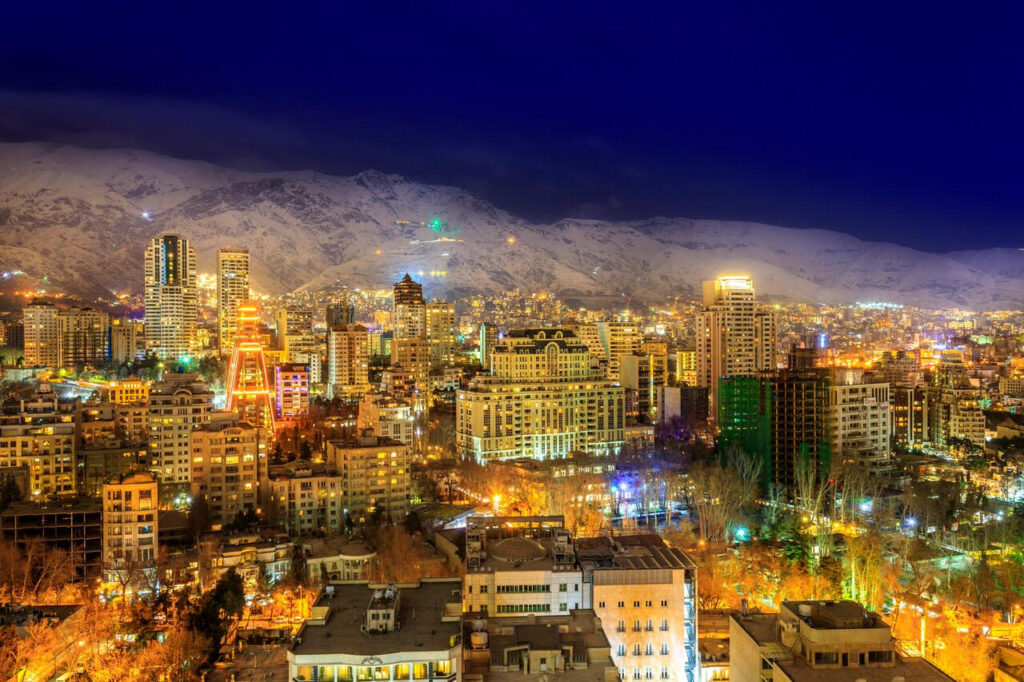
Thursday and Friday nights are the busiest, when the whole city seems to be out until the small hours. Summer is the best season for a night out in Tehran, as the heat of the day gives way to cool evenings and the mountain teahouses stay open late. In winter the hilltops are cold but the views are sharper, especially after wind or rain has cleared the smog.
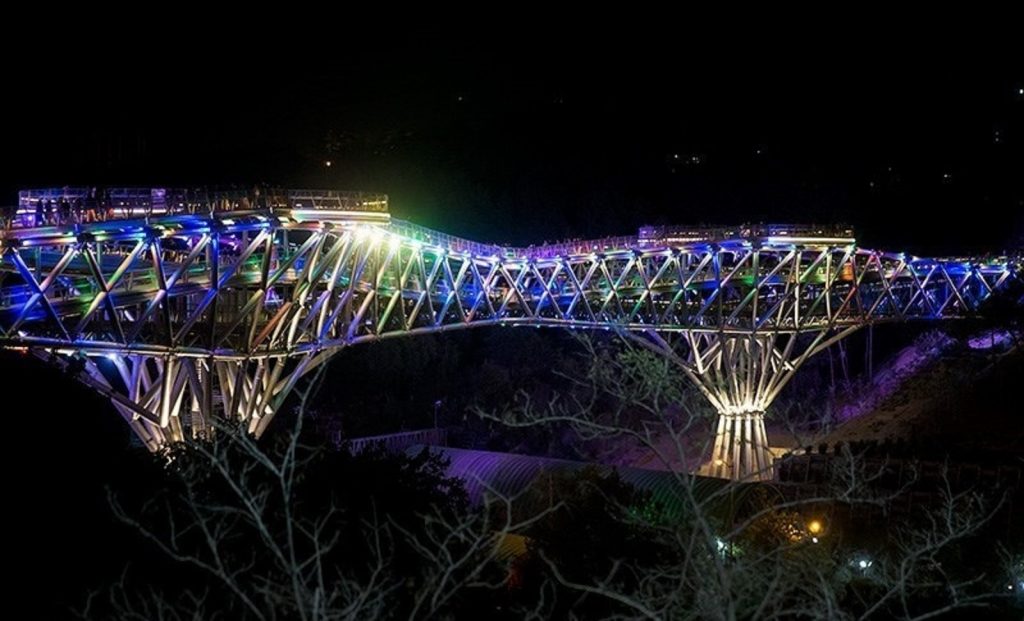
Tabiat Bridge. The city’s favourite evening hangout. The three-level footbridge between Taleghani and Abo Atash parks fills with families, couples and students from sunset onwards, and the food court and cafés stay busy late. Designed by the young architect Leila Araghian and opened in 2014, the 270-metre bridge (Pol-e Tabiat, or “Nature Bridge”) spans the Modares Expressway and won an Aga Khan Award for Architecture in 2016. After dark it is lit in shifting colours. The view of the motorway lights and the towers of north Tehran is best an hour after dark. See our Tabiat Bridge guide.
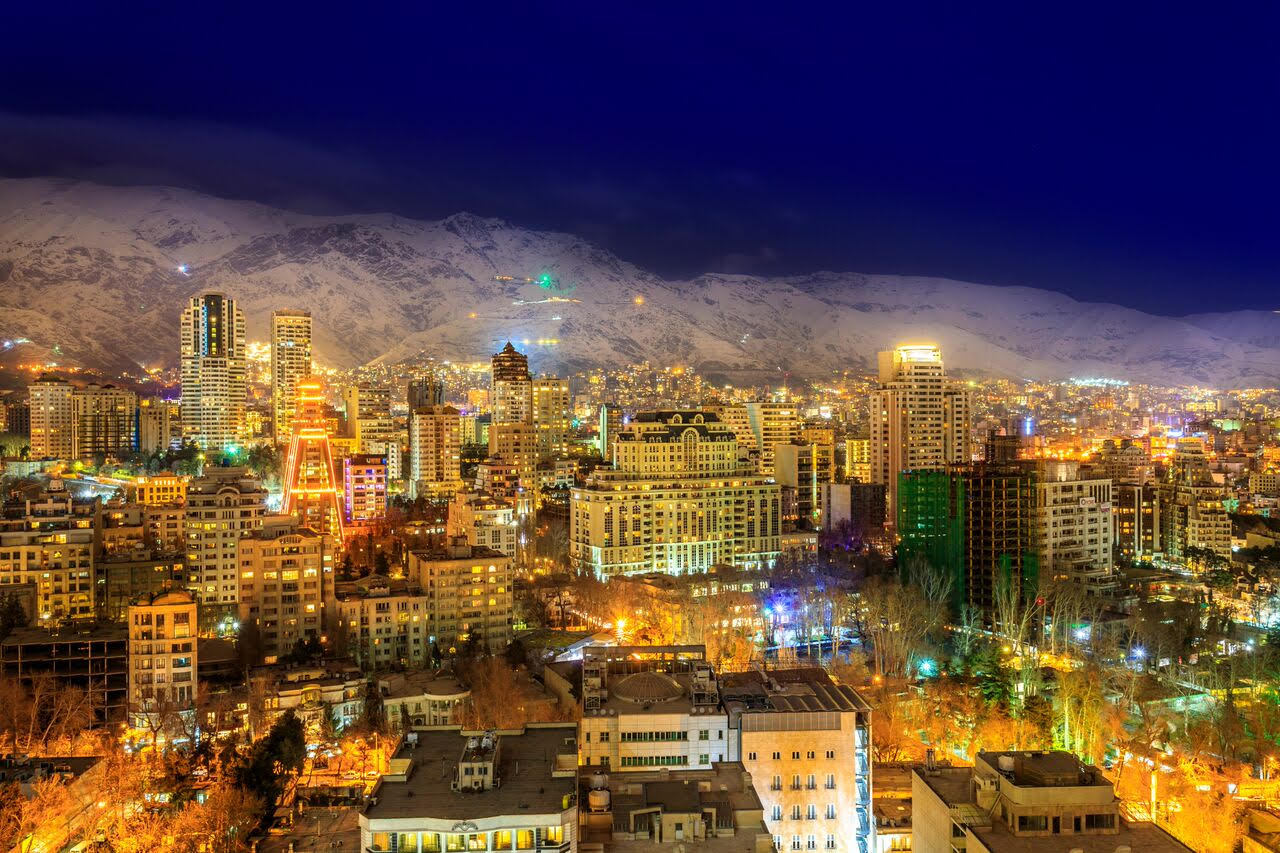
The Milad Tower. The revolving restaurant and observation deck give a 360-degree view over the lights of the city. Clear nights after wind or rain are best. Book the restaurant ahead on weekends. At 435 metres, the tower, which opened in 2008, is the tallest structure in Iran and one of the tallest telecommunications towers in the world. It is lit up at night and can be seen from most of the city. Allow time for the queues for the lifts on Thursday and Friday evenings. Our Milad Tower guide explains the tickets.
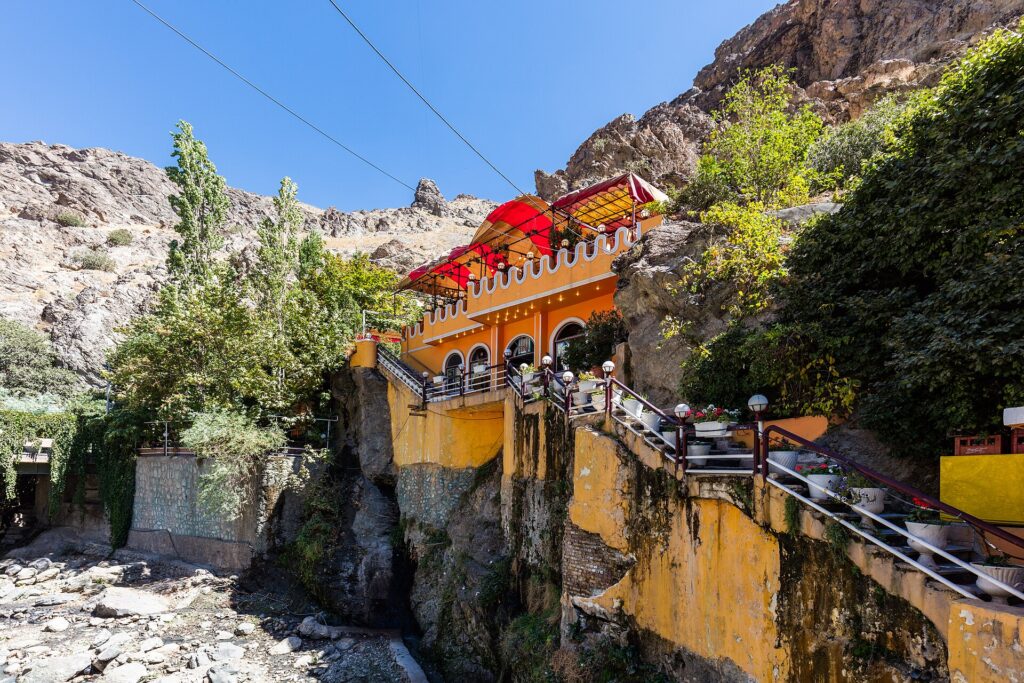
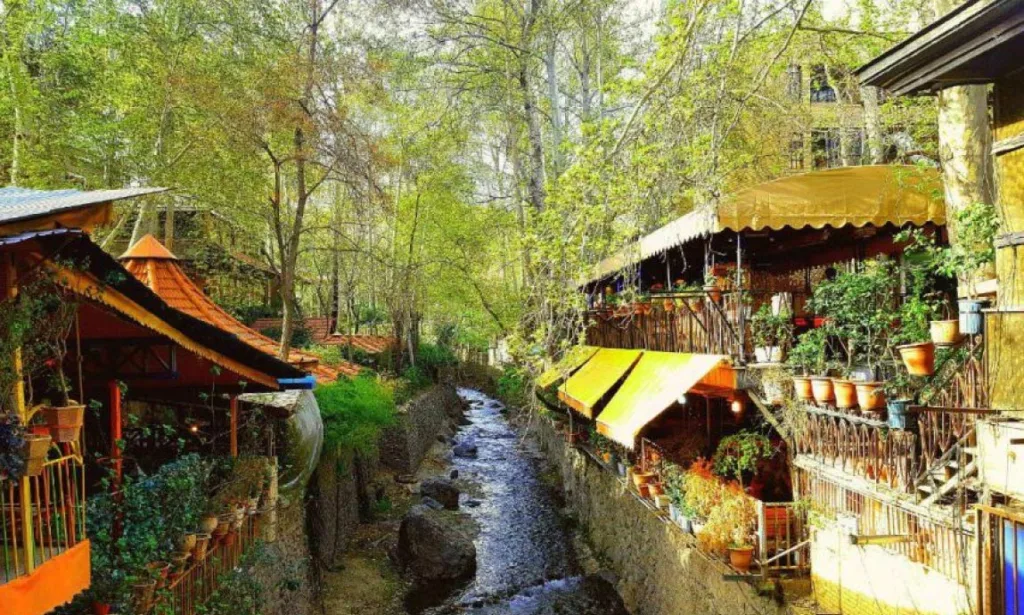
Darband and Darakeh. The teahouses and grill restaurants along the trails at the top of the city stay open late, especially in summer. Sitting on a carpeted bench over a rushing stream, with a qalyan and a plate of kebab, while the city glitters below, is the classic Tehran night out. Darband starts a short walk or taxi ride up from Tajrish Square, and the path climbs past stalls selling lavashak (fruit leather), dried berries, pickled fruit and roasted beetroot, with liver kebab grilled to order. Darakeh, a few kilometres to the west, is quieter and more popular with students. Both are packed on Thursday nights, so go early or late. See our guides to Darband and Darakeh.
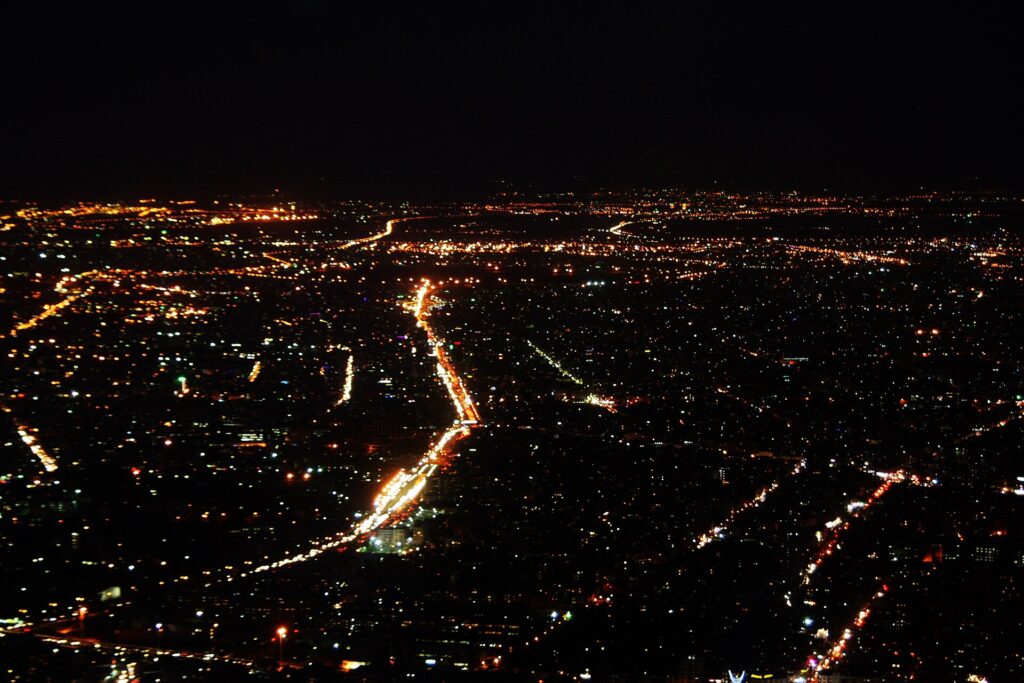
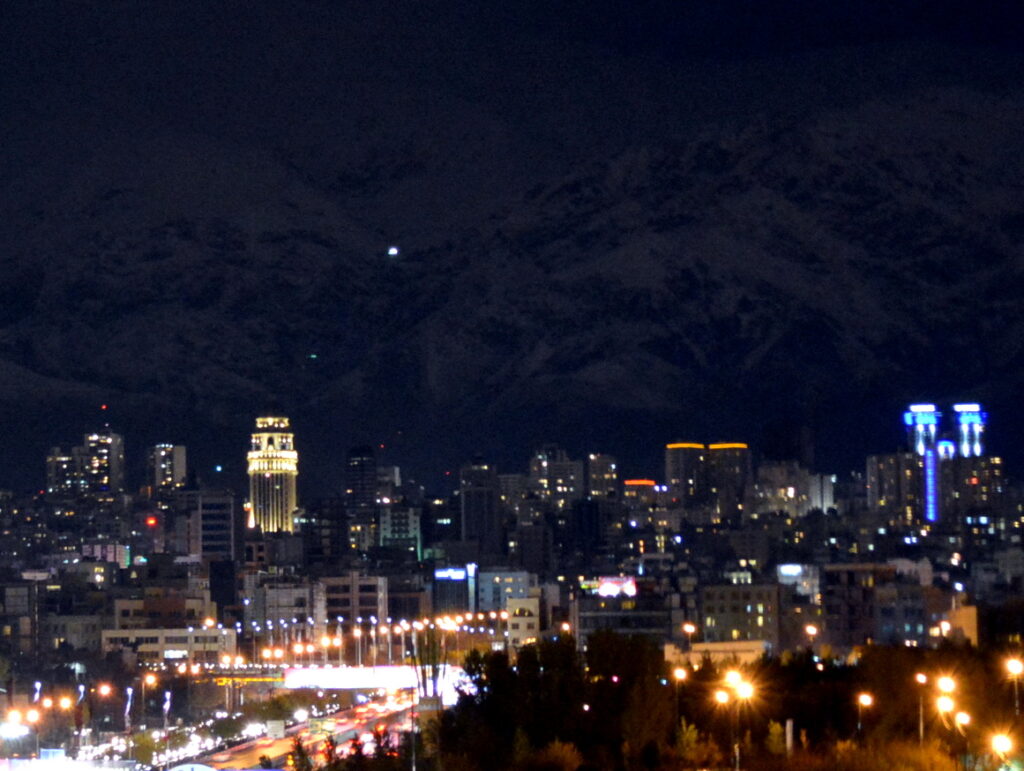
Night views from the hills. Tehran has a string of hilltop viewpoints, known locally as “bam”, or rooftops, where people drive up to watch the city lights. The best known is Bam-e Tehran at the top of Velenjak, at the foot of the Tochal gondola. Others include Bam-e Mahak and Bam-e Bukan in the north-east and Bam-e Buali in Saadat Abad. Take a flask of tea and a warm layer. Most are reached by car or taxi rather than public transport, and on summer weekends the roads up to them can be jammed until well after midnight. From the higher viewpoints the lights spread out to the edge of the desert on a clear night, with the Milad Tower glowing in the middle.

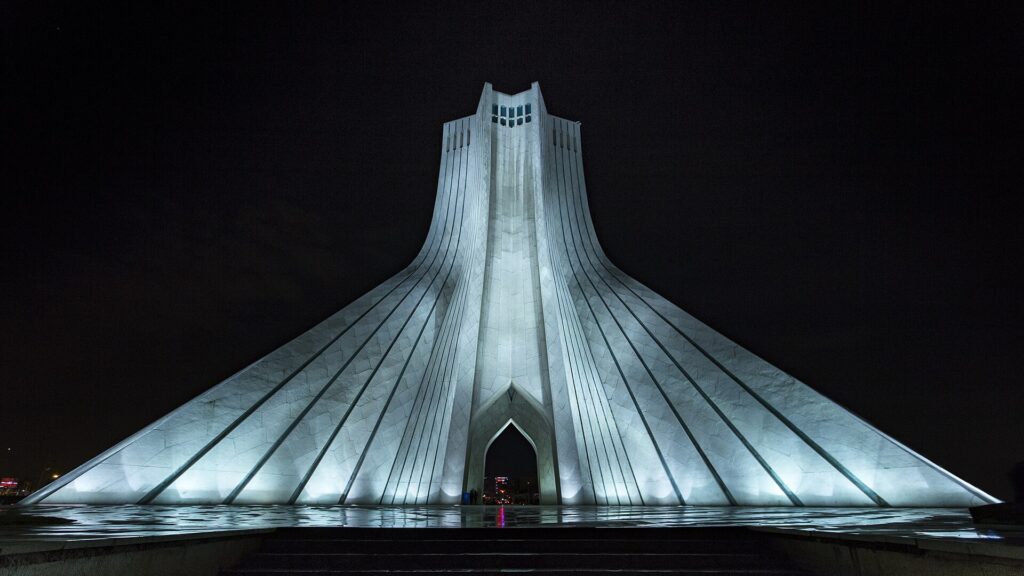
Azadi Tower. The marble arch is floodlit every evening and looks its best after dark, when the traffic around Azadi Square becomes a river of light. Designed by the architect Hossein Amanat and completed in 1971 for the 2,500th anniversary of the Persian Empire, the 45-metre tower was the gateway to the city for travellers arriving from Mehrabad Airport. See our Azadi Tower guide.
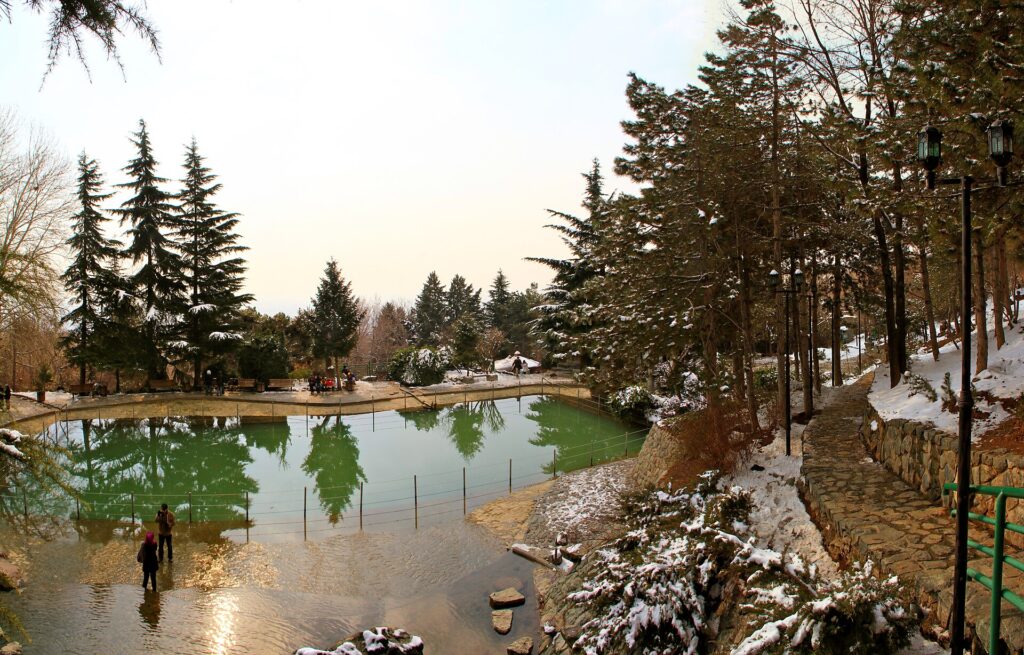
Jamshidieh Park. The terraced park on the slopes above Niavaran is lit up at night, and its restaurants serve dishes from Kurdistan, Gilan, Azerbaijan and other regions until late. Also known as the Stone Park for its rock gardens and stone paths, it climbs the foot of the Alborz, so the upper terraces give a good view back over the city. See our Jamshidieh guide.
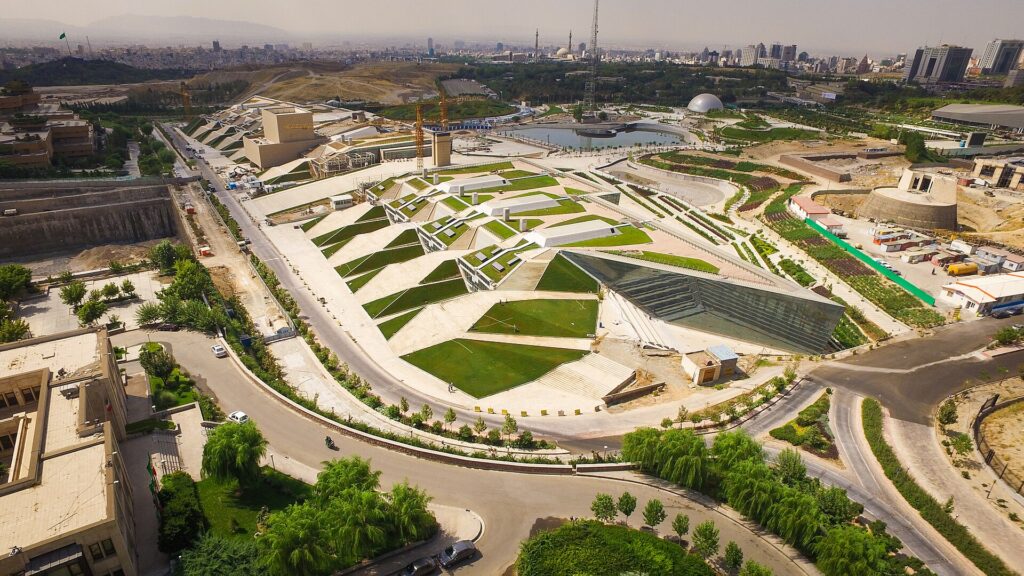
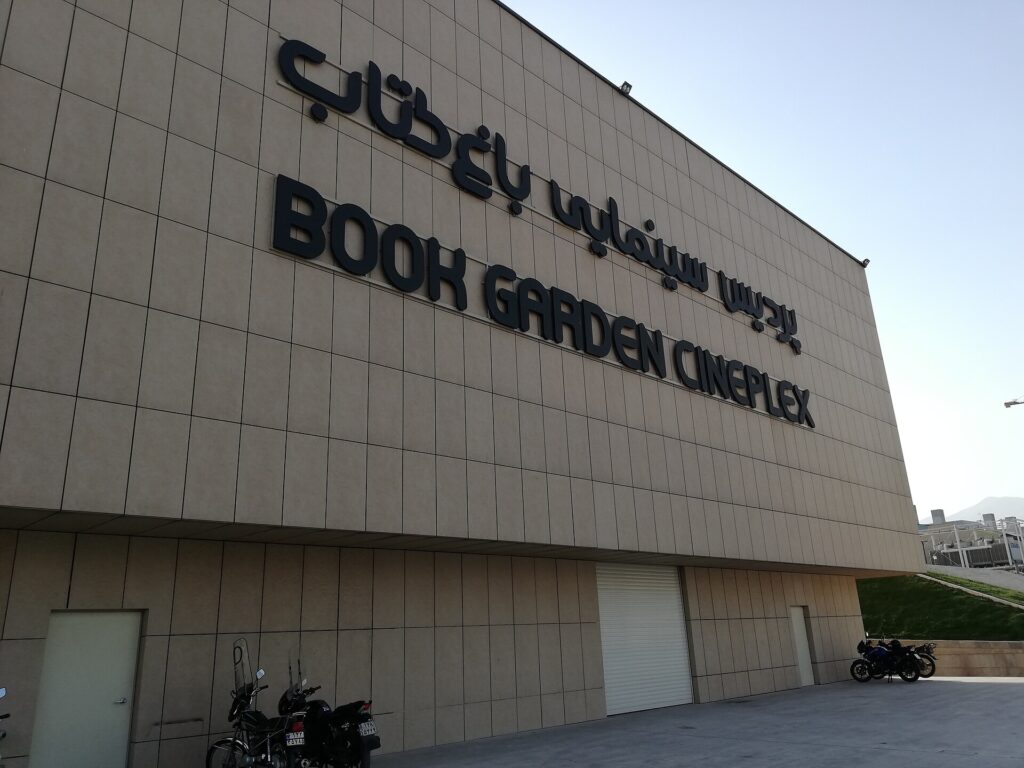
The Book Garden. The vast Tehran Book Garden in Abbas Abad is open late, with bookshops, cafés, a children’s section, a planetarium and frequent evening events. It is one of the best places in the city for a relaxed evening, especially with children. Opened in 2017, it is one of the largest book centres in the world, and its rooftop paths and lawns are popular for an evening walk. It also has its own cinema, the Book Garden Cineplex. See our Book Garden guide.
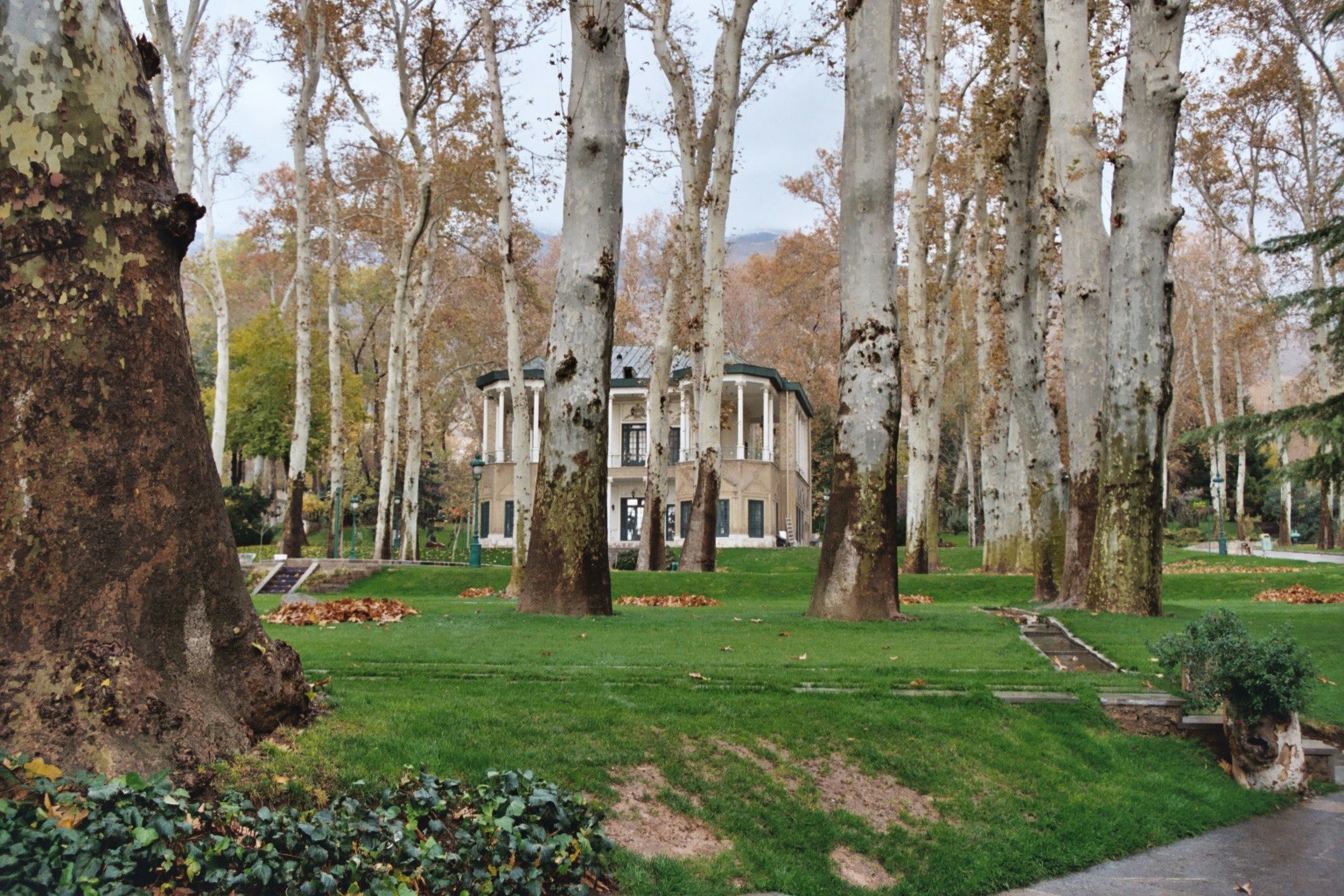
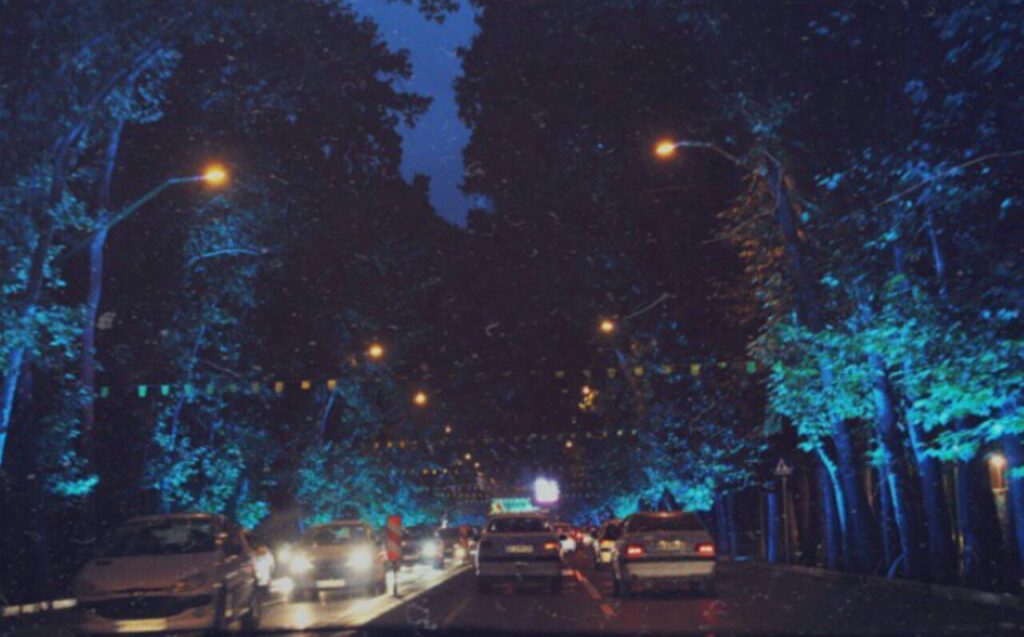
Cafés and late dinners. Tehran’s café culture is huge and much of it happens after dark. The streets around Enghelab Square and the University of Tehran, the side streets off Vali Asr, Tajrish and the malls of north and west Tehran are full of cafés open until midnight. Restaurants serve dinner late, and many popular places do not fill up until 10pm. Vali Asr Street, the plane tree-lined avenue that runs for about 18 kilometres from the railway station to Tajrish, is the city’s great evening promenade, and a walk along its northern stretch, stopping for ice cream or faloodeh, is a night out in itself. Browse our guide to restaurants and cafés in Tehran for ideas.
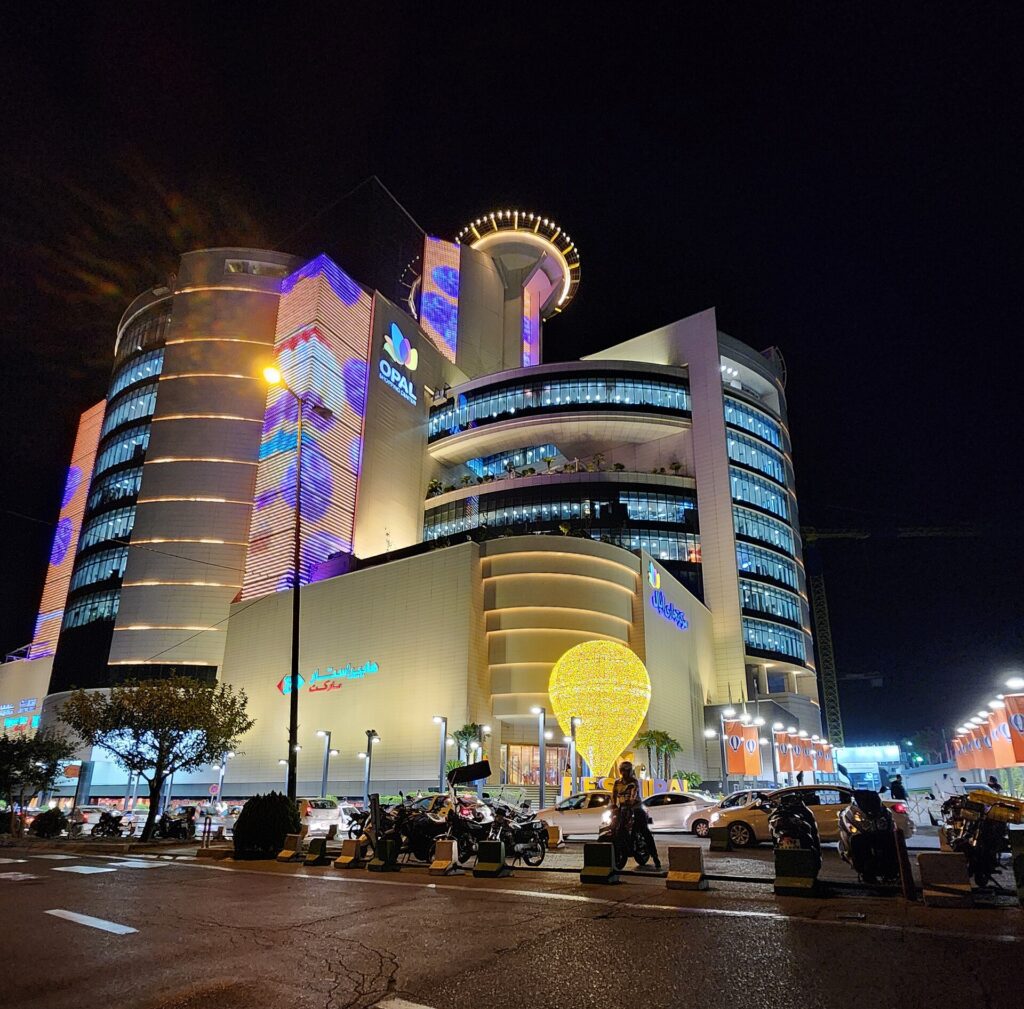
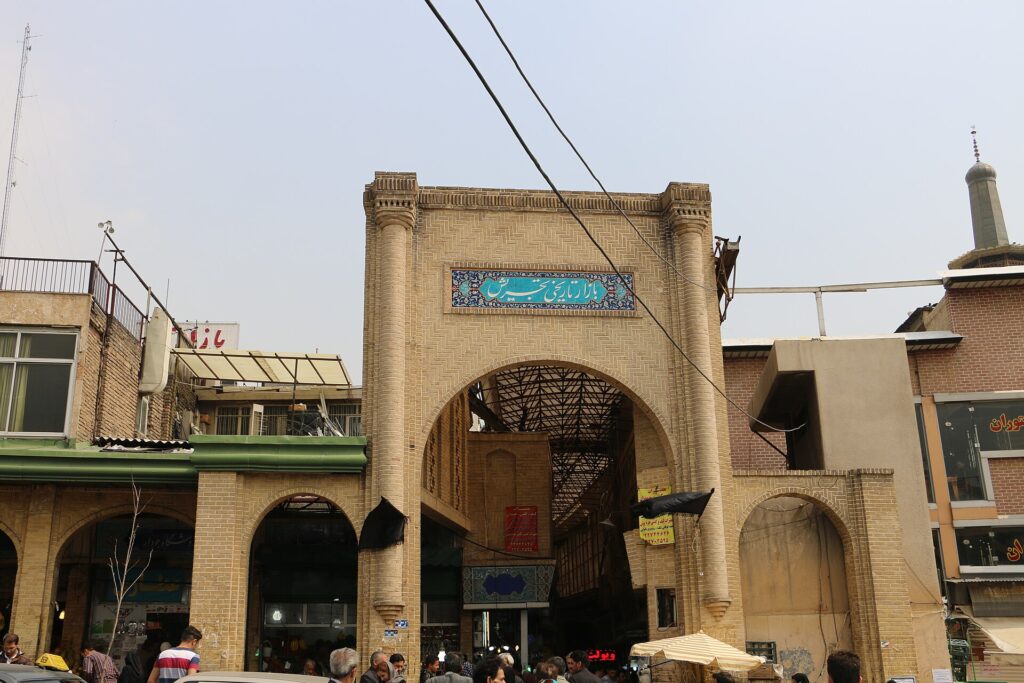
Late-night shopping. Shops in Tehran open late and close late, and evening is the busiest time in the big malls of north and west Tehran, many of which have food courts, cafés and cinemas open until 11pm or later. The covered bazaar at Tajrish stays busy into the evening, and the fruit and nut shops around Tajrish Square are open long after dark. The Grand Bazaar in the south of the city, by contrast, shuts in the late afternoon.
Chitgar Lake and the west. On summer evenings the paths around the Persian Gulf Lake at Chitgar fill with cyclists, joggers and families, and the cafés and restaurants on the waterfront stay open late. The artificial lake, opened in 2013, has a lit promenade and summer fountain shows, and is a cooler, greener alternative to the city centre on a hot night. See our Chitgar guide.

Theatre, concerts and cinema. The City Theatre complex at Vali Asr crossroads, Vahdat Hall and the cultural centres of north Tehran have busy evening programmes, and cinemas run late screenings on weekends. The round City Theatre (Teatr-e Shahr), opened in 1972, stages several productions a night, while Vahdat Hall, the city’s grand concert hall, is home to the Tehran Symphony Orchestra. Most films are in Persian without subtitles, but the cineplexes in the Book Garden and the big malls are worth a visit for the atmosphere alone.
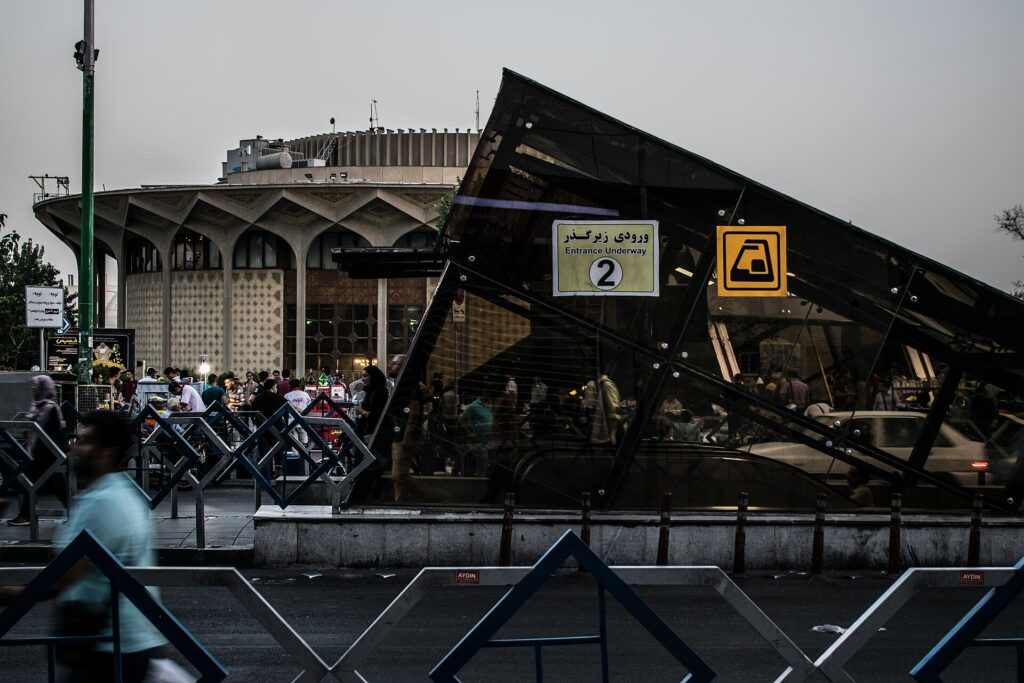
Ramadan and holiday nights. During Ramadan the city shifts its life into the night. After iftar, the meal that breaks the fast at sunset, the streets, parks and restaurants come alive, and many places stay open until the pre-dawn sahari meal. The nights around Nowruz in March and Yalda, the longest night of the year on 20 or 21 December, are also big nights out, when families gather and the shops stay open late.

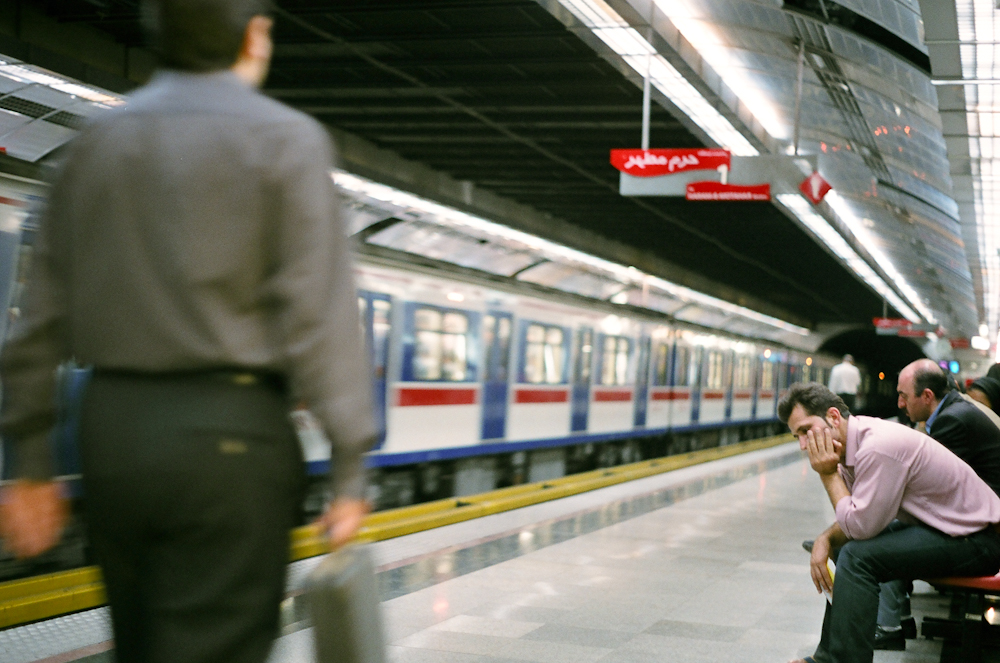
Staying safe and getting home. Tehran is generally safe at night, and busy places stay busy until late. The metro runs until about 11pm, after which ride-hailing apps such as Snapp and Tapsi, and ordinary taxis, are the way home. Carry a warm layer when heading into the hills, where it gets cold quickly after dark, even in summer. Dress codes still apply at night, so women should carry a headscarf, and it is wise to keep a copy of your passport with you.