
Updated November 2026 Updated with current government travel advice following the 2026 conflict, plus practical notes on money, internet and healthcare for foreign residents.
Living in Iran as a foreigner is a mix of real rewards and real challenges. On the plus side are extraordinary hospitality, a long and layered culture, superb food, low costs for anyone earning in hard currency and a daily life far more ordinary and sociable than most outsiders imagine. On the other side are sanctions that cut you off from international banking, heavy internet restrictions and, since the 2026 war, a security picture that every foreign resident needs to take seriously. This guide covers what life here is actually like and what to think about before you come.

Safety and current travel advice
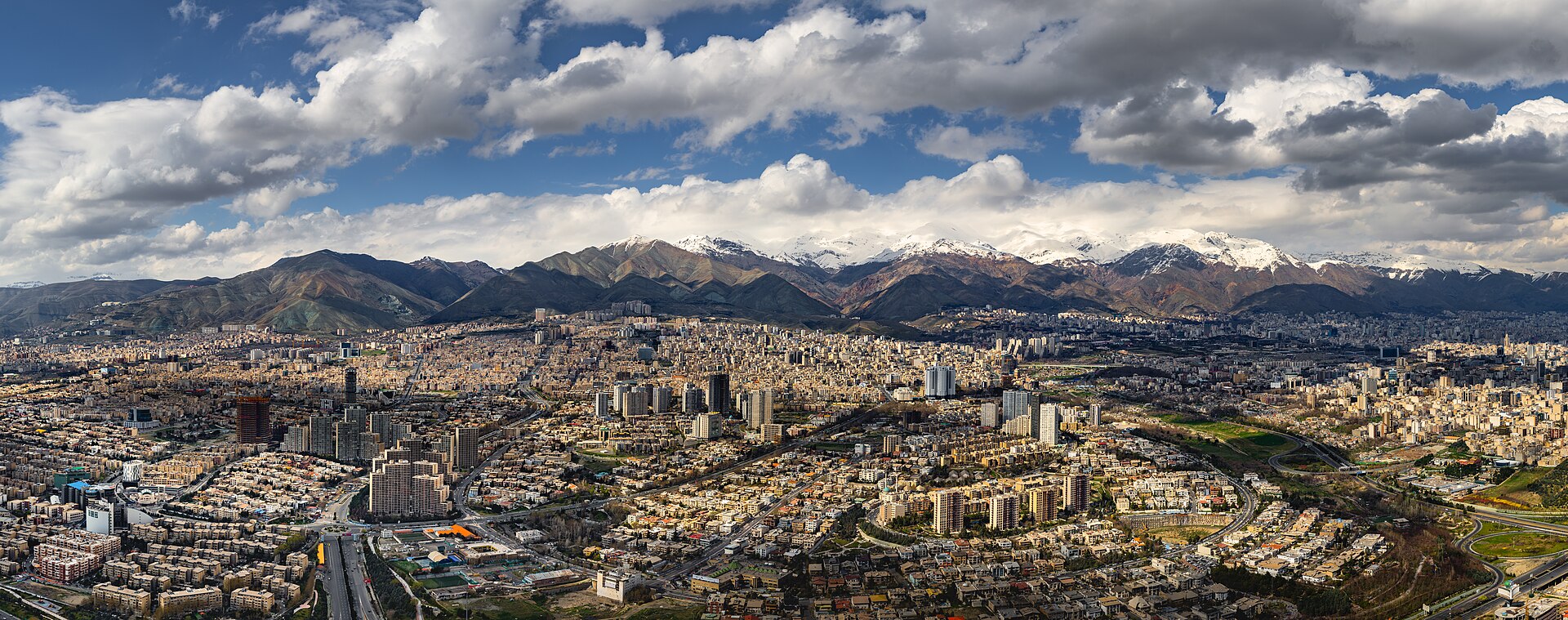
Day to day, Tehran is a city where people go about their lives as anywhere else: street crime against foreigners is relatively uncommon, families are out in the parks late into the evening and strangers will often go out of their way to help you. The bigger risks for foreigners are political rather than criminal, and they have grown since the conflict that began at the end of February 2026.
The UK Foreign, Commonwealth and Development Office currently advises against all travel to Iran and warns that British and British-Iranian dual nationals face a very high risk of arrest and detention, according to its Iran travel advice, last updated in October 2026. Several other Western governments give similar advice. Read your own government’s guidance before you move, register with your embassy if it offers that service, and check whether your insurance remains valid.
Iranian hospitality
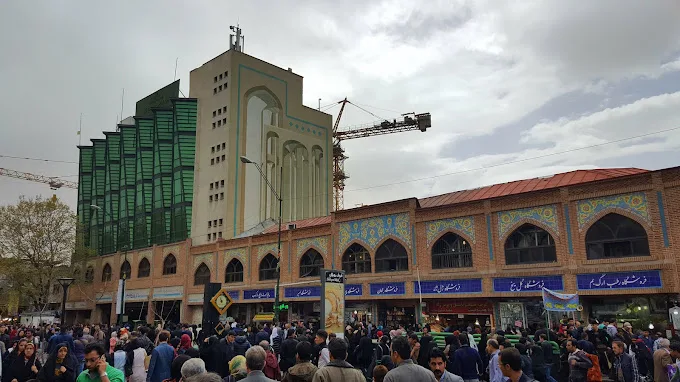
If there is one thing almost every foreigner remembers about Iran, it is the people. Iranians are generous hosts, and it is common to be invited home for a meal by someone you have only just met, offered fruit and tea by neighbours, or walked to your destination when you ask for directions. Over time these small kindnesses become friendships, and many foreigners who have lived here stay in touch with Iranian friends for life.
It helps to understand taarof, the elaborate etiquette of politeness. A shopkeeper may refuse payment or a host may insist you take the last piece of cake; the polite response is usually to decline once or twice before accepting, and to always offer to pay.

Culture, history and travel
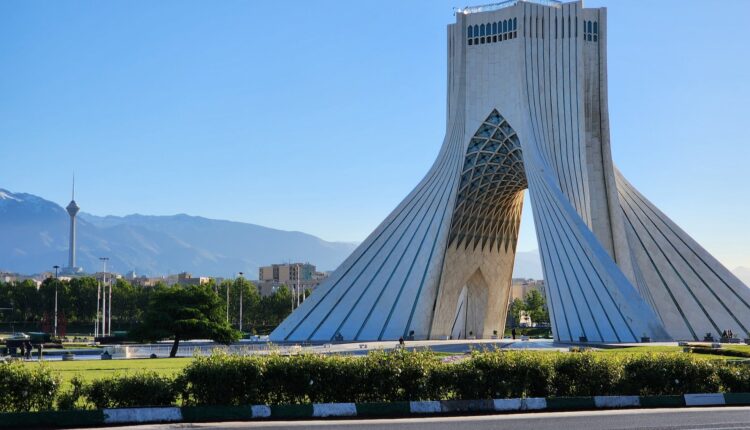
Iran has more than two dozen UNESCO World Heritage Sites, including Persepolis near Shiraz, Naqsh-e Jahan Square in Isfahan and the historic city of Yazd, and living here gives you time to explore them properly rather than in a rushed tour. The country’s mosques, palaces, Persian gardens and bazaars span well over two thousand years of architecture.
Tehran itself rewards patience. Beyond the big museums and palaces there are quiet neighbourhoods, galleries, cafés and mountain trails that most visitors never find; our hidden gems of Tehran is a good place to start. The weather also changes more than people expect, with hot summers, snowy winters in the north of the city and mild springs and autumns, as our guide to Tehran’s weather explains.
Food
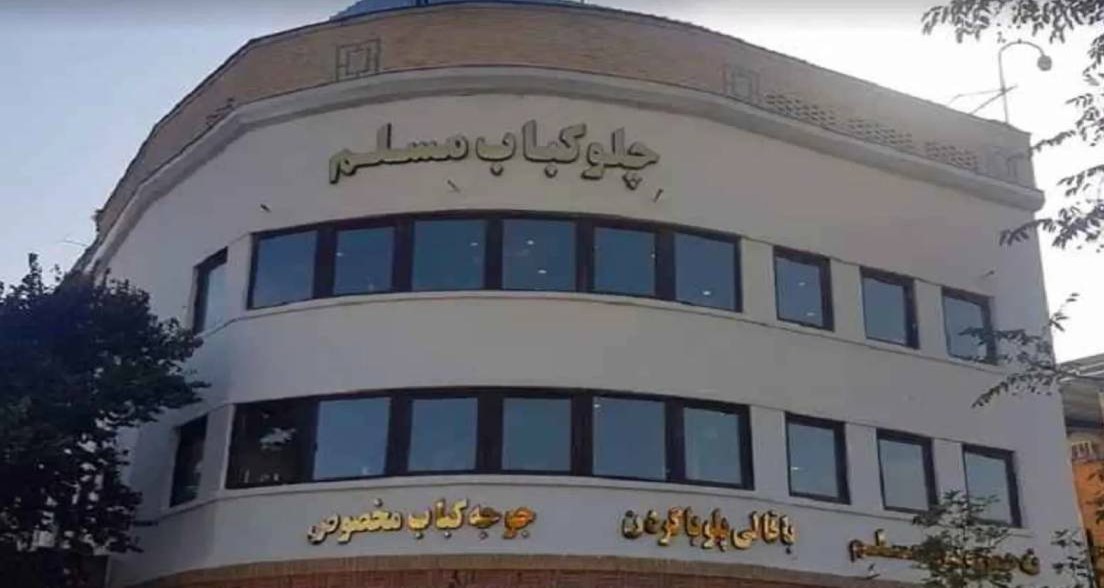
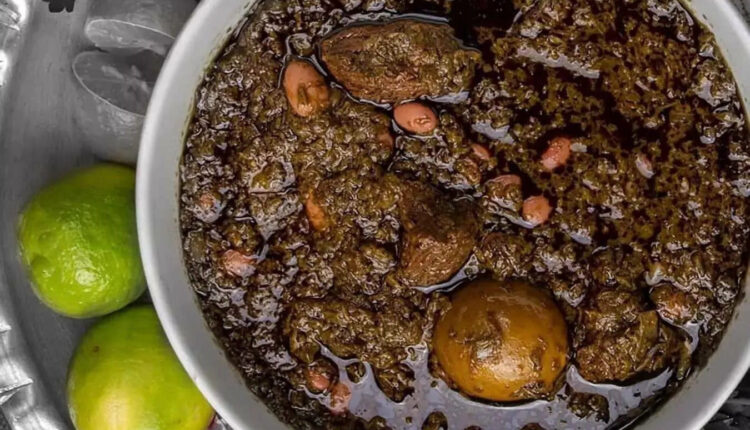
Iranian cooking is one of the great pleasures of life here: slow-cooked stews such as ghormeh sabzi, saffron rice with a crisp tahdig crust, kebabs grilled over charcoal, fresh herbs with every meal and an endless choice of pastries and sweets. Tehran has everything from simple neighbourhood eateries, such as those around Karim Khan Zand Street, to smart restaurants in northern districts like Fereshteh. Restaurant owners and home cooks alike are proud of their food and happy to explain it.
Festivals and the calendar
The year is punctuated by celebrations. The biggest is Nowruz, the Persian New Year at the spring equinox, when much of the country takes a two-week holiday. Yalda, the winter solstice night, is celebrated with pomegranates and poetry, and religious occasions such as Ramadan and Muharram change the rhythm of city life. Iran’s weekend falls on Friday, with many offices closing on Thursday afternoon too.

Practical realities
- Visas and residence: most visitors start on a tourist visa; longer stays need a work, study or family-based residence permit. Our guide on how to apply for an Iran e-visa explains the first step.
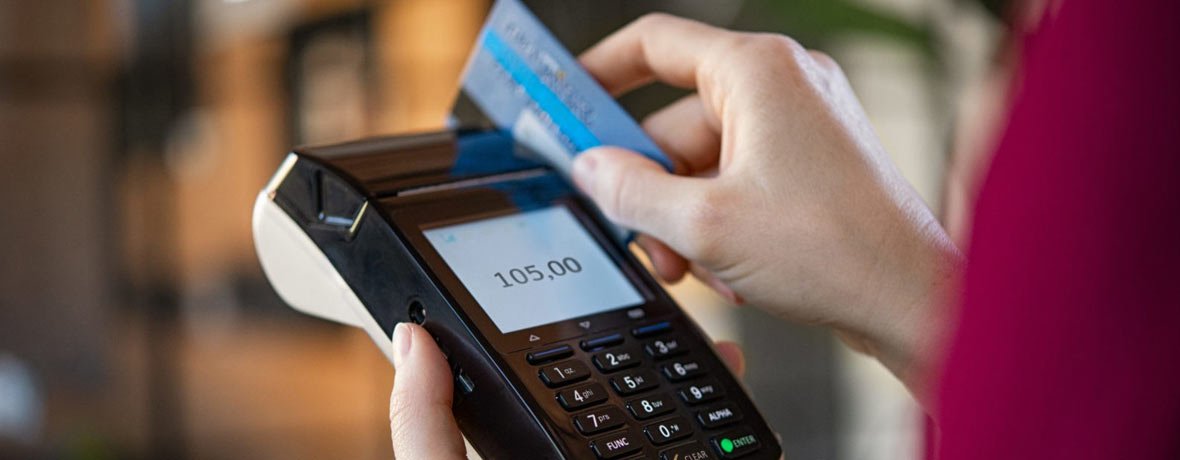
- Money: foreign bank cards do not work, so you will rely on cash and Iranian bank cards. See our guide to exchanging money in Iran and the live Iran prices trackers.
- Internet: many international websites and apps are filtered, and access was largely cut for months in 2026. A VPN is essential, and remote workers should have a back-up plan.
- Healthcare: private hospitals and clinics in Tehran offer good care at modest cost; see our guide to Tehran’s hospitals.
- Dress and conduct: laws on dress and public behaviour apply to foreigners as well as Iranians, and enforcement varies. Follow what local people around you are doing and err on the side of caution.
Learning Persian
You can get by in Tehran with English among younger, educated people, but even a little Persian transforms everyday life, from bargaining in the bazaar to chatting with neighbours and taxi drivers. It also opens doors socially: Iranians are delighted when a foreigner makes the effort. The Persia Learning course, whose first lesson is free, teaches the language step by step, with every lesson in Persian script and transliteration, so you can start before you arrive.
Breaking the stereotypes
Many foreigners arrive with an image of Iran shaped by headlines and leave with a very different picture: of a young, well-educated, curious society with a sharp sense of humour and a deep love of poetry, family and good food. Living here does not mean ignoring the very real risks and restrictions, but it does give you a far richer understanding of the country than any news report can.

Learn the Persian: Start with Persia Learning’s free Learn Persian course, and when you are ready to get around town, the lesson on directions and taxis will help you talk to drivers. Try the first lesson free →