Updated November 2026 Checked for current access by metro and the historic sites you can still visit around the square.
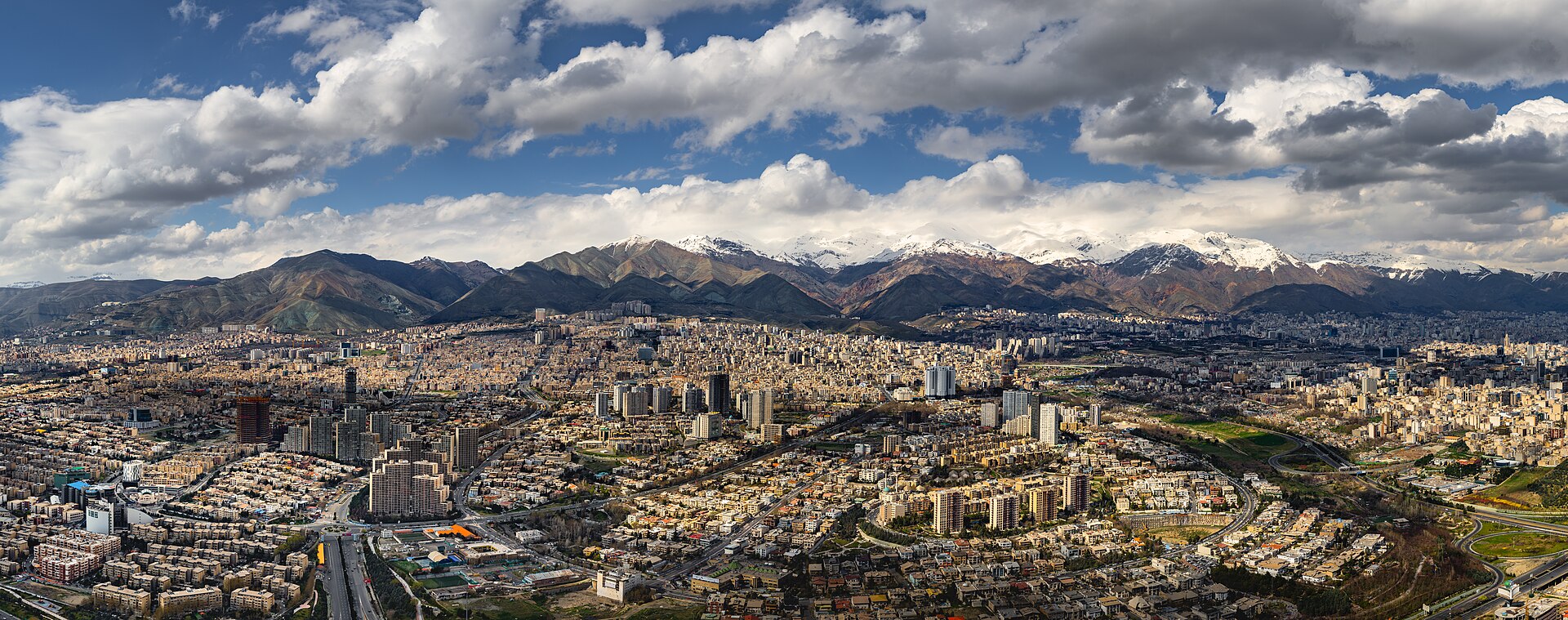
Baharestan Square is one of central Tehran’s most historic public spaces: the place where Iran’s first parliament sat, the scene of some of the most dramatic moments of the Constitutional Revolution, and still home to the Islamic Consultative Assembly today. It sits at the eastern end of Jomhouri Street in District 12, a short walk from several Qajar-era palaces and gardens, and it is easy to reach on Line 2 of the Tehran Metro.

A short history of Baharestan Square
The square takes its name from Baharestan Palace, built in the late 19th century by the Qajar prime minister Mirza Hossein Khan Sepahsalar as his residence. During the Constitutional Revolution of 1906 the palace became the seat of Iran’s first National Consultative Assembly (Majles), established under Mozaffar ad-Din Shah.
Just two years later, in 1908, forces loyal to Mohammad Ali Shah shelled the parliament building, closing the Majles and opening the period Iranians call the Minor Tyranny. The square remained a focal point for political life through the Pahlavi era, including rallies in support of Prime Minister Mohammad Mossadegh in the early 1950s.
The old palace continued to house the lower house until 1979. Since 2004 Iran’s parliament has met in a modern building within the Baharestan complex, so the square is still the country’s legislative heart.

What to see around the square
The streets around Baharestan hold some of the best surviving Qajar architecture in the capital, and you can easily spend half a day exploring on foot.
- Negarestan Garden. Originally a garden palace built for Fath Ali Shah and named for the paintings that once covered its walls, it later housed a fine arts school run by the painter Kamal-ol-Molk. Restored and run by the University of Tehran, it opened to the public in 2013 and is a peaceful break from the traffic.
- Masoudieh Palace. A Qajar prince’s mansion set around shaded courtyards, with ornate tilework and mirror work.
- Sepahsalar Mosque and School. The great Qajar mosque-madrasa built by Sepahsalar, now officially named after Shahid Motahari, with tiled domes and minarets that dominate the skyline nearby.
- Music shops. The area around the square and along Jomhouri Street is known for its shops selling and repairing musical instruments, from tar and setar to guitars and drums, and makes for a fascinating browse.
The Ministry of Culture and Islamic Guidance also has offices close by. For a coffee with history, the much-loved Cafe Naderi is further west along Jomhouri Street.
How to get to Baharestan Square

By metro. This is the easiest option. Baharestan station on Line 2 of the Tehran Metro brings you out right at the square, avoiding the heavy traffic of the old city.
By car or taxi. Several streets meet at the square, including Jomhouri and Mostafa Khomeini, so it is well connected to the rest of the city. Bear in mind that central Tehran is busy, parking is scarce and the area falls within the city’s traffic restriction zone, so a ride-hailing car such as Snapp or Tapsi is usually simpler than driving yourself.

Tips for visiting
- The parliament buildings are a working government site with tight security. Be discreet with your camera and avoid photographing guards, gates or officials.
- Combine the square with Negarestan Garden and Masoudieh Palace for a walking tour of Qajar Tehran.
- Go in the morning on a weekday if you want the music shops open and the gardens quiet.
Planning a trip to Tehran?
- Getting there: see which routes are running in our flights guide, and compare fares to Istanbul on Aviasales. You can also go overland via Armenia or Turkey.
- Getting online: a travel eSIM such as Airalo works from the moment you land.
- Budget beds: browse Tehran hostels on Hostelworld, or read our hotels guide.
- Costs and cover: work out a daily budget with the trip cost calculator, and check our insurance guide.
This box contains affiliate links. Read our disclosure.
A note on our affiliate links: LiT’s affiliate earnings are not earned from inside Iran. Our partners are international companies based outside the country, and no commission is paid to us by any business in Iran.