Updated November 2026 Rewritten to reflect the current authorisation-code system, the rules for British, American and Canadian passport holders, and the disruption to flights during 2026.
Iran’s visa on arrival lets most nationalities collect a 30-day tourist visa at Tehran’s Imam Khomeini International Airport (IKA) rather than visiting an embassy before travel. In practice, the safest way to use it is to apply online first for a visa authorisation code through the Ministry of Foreign Affairs eVisa system, then pick up the visa itself when you land. This guide explains who is eligible, what to prepare and how the process works at the airport.
We are not a travel agency and earn nothing from any visa service mentioned here. Rules in Iran can change at short notice, especially in periods of regional tension, so always check the latest position with the official eVisa portal or your nearest Iranian embassy before you book.
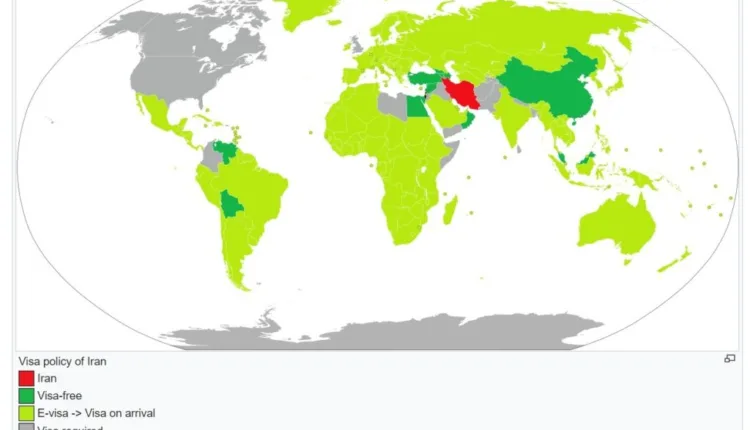
Who can get a visa on arrival in Iran?
Most nationalities are eligible. The main exceptions are:
- UK, US and Canadian citizens. They cannot use the visa on arrival or the standard eVisa route. They need a visa issued in advance and must travel on a pre-arranged tour with a government-approved guide for the whole trip.
- Some other nationalities, including citizens of Afghanistan, Bangladesh, Colombia, Jordan, Pakistan and Somalia, must also apply in advance through an Iranian embassy or consulate.
- Visa-exempt nationals, such as citizens of Turkey, Armenia, Azerbaijan, China and several other countries, do not need a visa for short stays at all, subject to conditions. Iran has added and withdrawn exemptions frequently in recent years (India’s visa-free entry was suspended in November 2025, for example), so check yours.
Anyone with evidence of travel to Israel in their passport within the past year will be refused entry.
What you need before you fly
- A passport valid for at least six months beyond your planned stay.
- A visa authorisation code. Apply on the MFA eVisa site and choose IKA as your collection point. Approval arrives by email. It is technically possible to turn up without one, but the risk of refusal and delay is much higher, and airlines may not let you board.
- A rough itinerary and a booking at a registered hotel or guesthouse. Since late 2025, foreign tourists must stay in licensed accommodation; staying privately with locals is not permitted.
- Travel insurance valid in Iran. If you do not have a policy that covers Iran, you can buy one at the airport.
- Cash in euros to pay the visa fee, which varies by nationality.
For a fuller walkthrough of the online application, see our guide on how to apply for an Iran eVisa.
Step by step at Imam Khomeini Airport
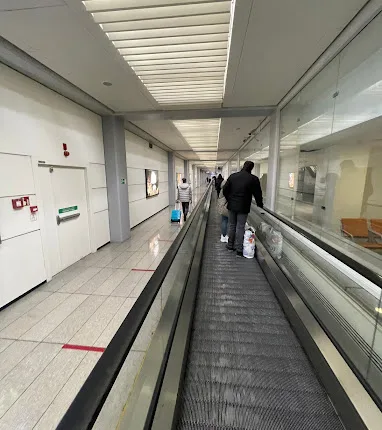
- Head for the visa desk, not passport control. After leaving the aircraft, follow the signs marked “Visa” and skip the immigration queues for now.
- Hand over your passport and authorisation code at the visa window. You will be given a payment slip and asked to wait.
- Pay the fee and insurance at the bank counter beside the visa office. Keep your receipt.
- Return to the visa window with your receipt and passport. Your visa is issued on a separate sheet of paper rather than stuck into your passport.
- Join the passport control queue and present your passport with the visa sheet. Once through, collect your bags.
The whole process can take anything from half an hour to a couple of hours depending on how many flights have landed, so be patient and keep your phone charged.
Does Iran stamp passports?
For most visitors, no. Since 2019 Iran has not placed visa stickers or entry stamps in the passports of most foreign nationals, issuing paper visas and recording entries electronically instead. This was introduced to spare travellers problems with US visa rules for people who have visited Iran. Even so, a paper slip is not invisible to other countries’ border systems, so check the rules of any country you plan to visit later.
Flights to Tehran
Iran’s airspace was largely closed for more than six weeks after conflict broke out at the end of February 2026, and IKA reopened to international traffic in April 2026. Many foreign carriers have since restored some routes, but schedules remain more limited and more changeable than before. Check directly with airlines, book flexible fares where possible, and look at current travel advice from your own government before you commit.
Getting from the airport into Tehran
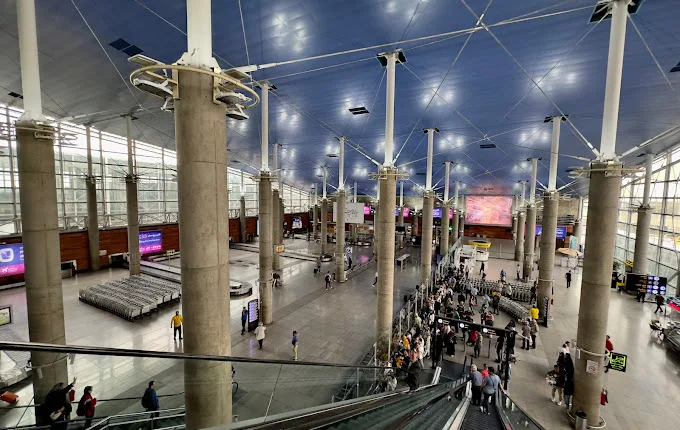
IKA is about 30 to 35km south-west of central Tehran, and the journey usually takes 45 minutes to over an hour depending on traffic.
- Official airport taxis wait outside the terminal around the clock and are the simplest option. Ignore drivers who approach you inside the arrivals hall. Our Tehran airport taxi guide explains how they work.
- Ride-hailing apps such as Snapp work from the airport if you have an Iranian SIM and a local payment method.
- Metro Line 1 connects the airport to the city and is by far the cheapest option, though trains to the airport branch are infrequent and it is slow with luggage.
- Pre-booked transfers through your hotel are worth considering if you land late at night.
If you arrive in the small hours or have an early connection, there are hotels at Tehran airport within walking distance of the terminal. For current costs of taxis, SIM cards and everyday items, see our Iran price trackers.
If something goes wrong
If your visa is refused or you run into problems once in Iran, contact your country’s mission. Our list of foreign embassies in Tehran has contact details.
Planning a trip to Tehran?
- Getting there: see which routes are running in our flights guide, and compare fares to Istanbul on Aviasales. You can also go overland via Armenia or Turkey.
- Getting online: a travel eSIM such as Airalo works from the moment you land.
- Budget beds: browse Tehran hostels on Hostelworld, or read our hotels guide.
- Costs and cover: work out a daily budget with the trip cost calculator, and check our insurance guide.
This box contains affiliate links. Read our disclosure.
A note on our affiliate links: LiT’s affiliate earnings are not earned from inside Iran. Our partners are international companies based outside the country, and no commission is paid to us by any business in Iran.