Updated November 2026 We have refreshed this guide to the Haj Ali Darvish teahouse with its history, what to order and how to find it in the Grand Bazaar.
The world’s smallest tea house in Tehran is Haj Ali Darvish, a tiny tea stall hidden in an alley of the Grand Bazaar. Barely bigger than a cupboard, at around one and a half to two square metres, it has been pouring tea for bazaar traders and passers-by since 1918 and is one of the most charming small stops you can make on a visit to the old city.
The Tehran Grand Bazaar, or Bazar-e Bozorg, is a maze of covered lanes that stretches for more than 10 kilometres. Each corridor has its own trade, from carpets and copper to toys, watch straps and stamps, and tea is what keeps it all moving. Shopkeepers send out for it, customers are offered it while they haggle, and porters stop for a glass between deliveries. Plenty of shops now have their own kettles, yet the little teahouses survive because a glass of tea in the lane is part of the bazaar’s daily rhythm.
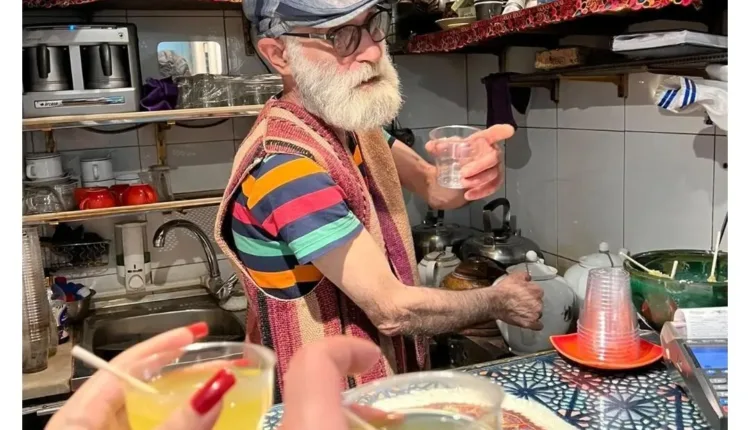
Haj Ali Darvish is the most famous of them. It was opened in 1918 and later bought by Haj Ali Mabhutian, a man from Hamedan who came to Tehran as a teenager and ran the stall for decades. Regulars nicknamed him the Darvish, which is how the teahouse got its name. When he stopped working in 2007, his son Kazem left his job in advertising to take over, and he has kept the family tradition going ever since. Haj Ali himself died in 2018, aged 92.
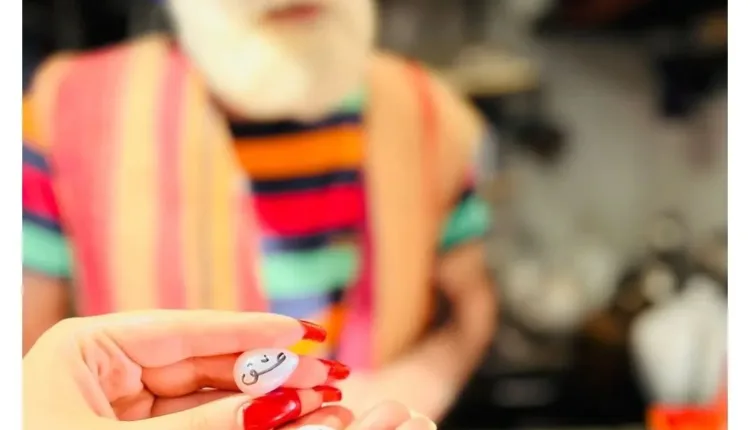
There are no tables. You stand in the alley or perch on a plastic stool while Kazem brews in his corner. Alongside strong Iranian black tea, he serves herbal brews such as cardamom, cinnamon, mint, thyme and hibiscus, and a house blend of mint, lemon and saffron that he calls the tea of kindness. Ask for a stick of saffron nabat, the golden rock sugar Iranians stir into their tea, to sweeten it.
Prices are low, and the owner is known for charging according to what customers can afford. Brewing starts early in the morning, so it is a good first stop before the lanes fill up. For a sense of what tea, snacks and meals cost around the city, see our Iran prices tracker.
Finding it is part of the adventure. The teahouse is not visible from the main thoroughfares; it sits in a side alley wedged between a clothing shop and the entrance to a mosque. The easiest approach is to take the metro to Panzdah-e Khordad station, enter the bazaar and ask any shopkeeper for Haj Ali Darvish; most will point you in the right direction. Keep your wits about you while you drink, because the alley is narrow, busy and full of porters pushing heavy trolleys.
Haj Ali Darvish is not the only place to rest your feet in the bazaar. Our guide to Grand Bazaar eateries covers the best spots for a proper lunch, and if you want to explore the surrounding streets, do not miss Marvi Alley, a short walk away.