
Updated November 2026 Site details rechecked; we have trimmed contested history and added practical tips on getting to Rey and visiting shrines.
The best religious buildings around Tehran span more than two thousand years, from Sasanian fire temple ruins and Seljuk brick towers to Qajar-era shrines and a modern mausoleum the size of a small town. Most of them sit in Rey, the ancient city that is now Tehran’s southern suburb, so you can see several in a single day. The capital is also home to Christian, Jewish and Zoroastrian communities and a small Sikh congregation, which is why a fire temple sits a short walk from churches in the city centre.
Tehran’s own history runs deeper than many visitors expect. Archaeological finds across the greater city, including human remains uncovered in the southern Molavi district, point to settlement thousands of years before the Qajars made it their capital.
Imam Khomeini Shrine
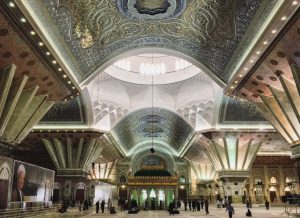
The vast gold-domed mausoleum of Ayatollah Ruhollah Khomeini, founder of the Islamic Republic, stands beside the motorway between Imam Khomeini International Airport and the city, so it is usually the first religious landmark new arrivals notice. Khomeini is buried here with his wife, Khadijeh Saqafi, and his son Ahmad. Former president Akbar Hashemi Rafsanjani and other senior post-revolution figures also lie in the complex.
The buildings are only a few decades old and borrow freely from traditional Persian forms, from the tiled minarets to the huge prayer hall. The Haram-e Motahar station on metro Line 1 serves the site.
Shah Abdol-Azim Shrine, Rey
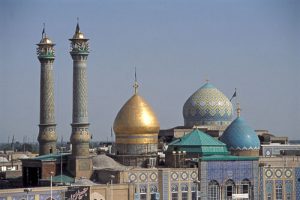
This is the most important shrine in the Tehran area and one of the oldest sites of continuous worship in the region. It holds the tomb of Abdol-Azim, a descendant in the fifth generation of Imam Hassan, the second Shia Imam, and its first buildings date back to the ninth century.
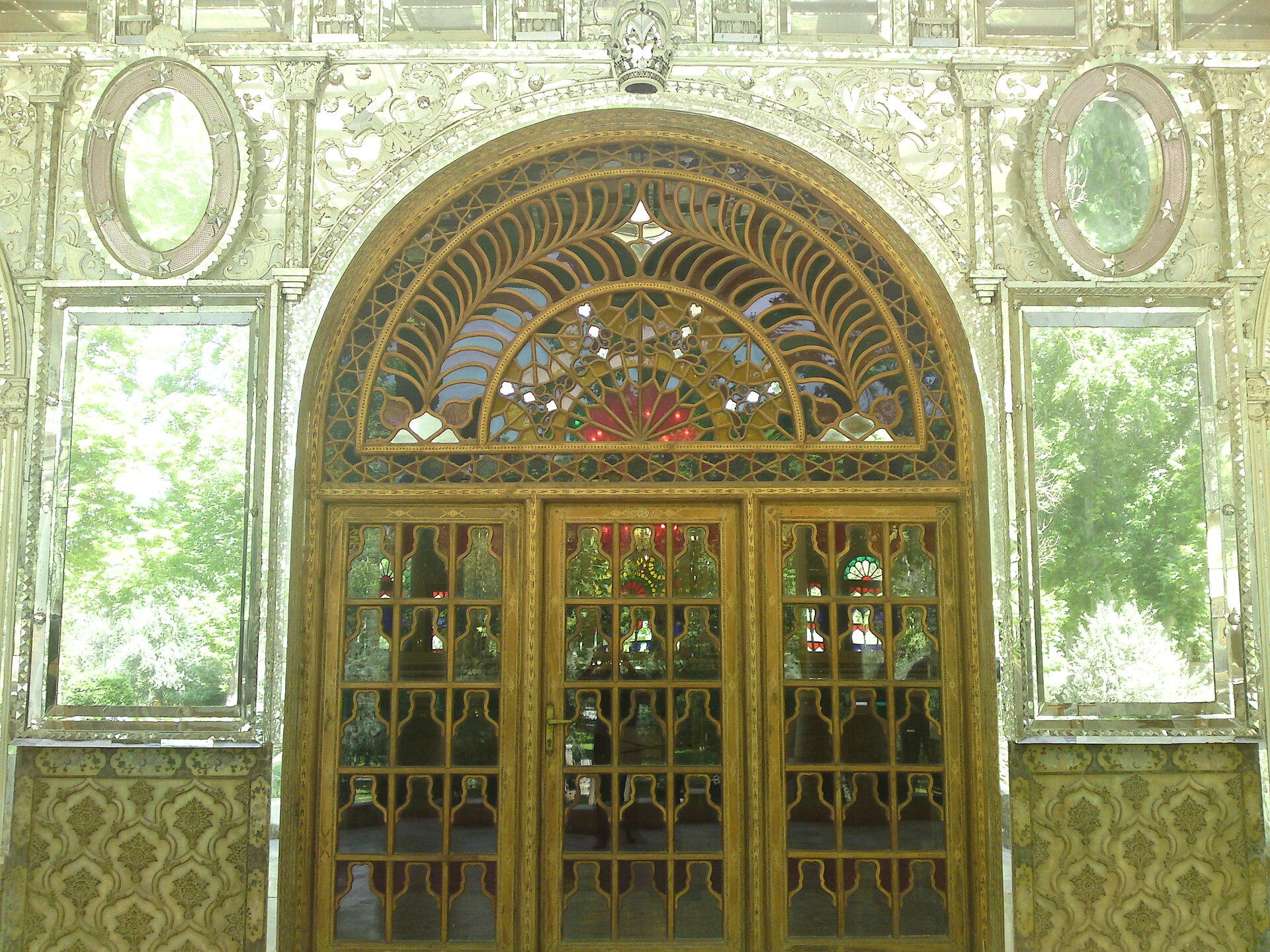
Expect several courtyards, superb mirrorwork around the tomb chamber and two neighbouring shrines in the same complex: Imamzadeh Hamzeh, brother of Imam Reza, and Imamzadeh Taher, son of the fourth Imam. Qajar kings, clerics and notable Tehranis are buried here. Reza Shah, the first Pahlavi monarch, was entombed in a mausoleum close by, which was demolished after the 1979 revolution.
The shrine is wrapped by Rey’s old bazaar, the oldest surviving market in the metropolitan area and a good place for lunch. Shahr-e Rey station on metro Line 1 is a short walk away.
Imamzadeh Abdollah, Rey
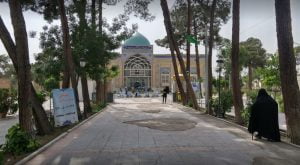
If Shah Abdol-Azim feels busy, head to Imamzadeh Abdollah, one of the best-preserved and least-visited shrines around Tehran. It marks the grave of Abdollah, a descendant of the Prophet Muhammad, and its cemetery holds Qajar royals alongside musicians, poets, merchants and politicians.
The appeal is the calm. The original courtyard is intact, and the surrounding family mausoleums keep much of their 19th-century tilework and brick detail.
Bahram Fire Temple (Tappeh Mil)
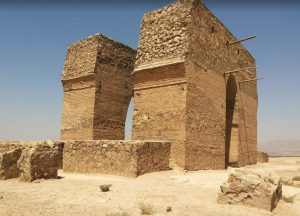
About 12 kilometres south-east of Rey, on the road towards Varamin, a hill known as Tappeh Mil carries the ruins of a Sasanian-era fire temple or palace, often called the Bahram Fire Temple. Two massive brick piers survive from a once four-arched structure, visible from some distance across the flat plain.
Restoration work has been carried out to draw more visitors. Tickets, when charged, are sold at the entrance. You will need a car or taxi to get here.
Toghrol Tower, Rey
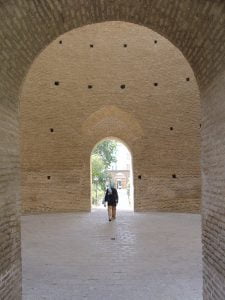
This fluted brick tower, around 20 metres tall, stands near Rashkan Castle in Rey. Its star-shaped, flanged outline is a fine example of Seljuk geometry. The conical roof that once capped it collapsed in an earthquake, leaving the shaft open to the sky.
Tradition holds that it is the tomb of Toghrul Beg, the Seljuk sultan who died in Rey in 1063, which is how it got its name. Historians are not unanimous, though, and several other candidates have been suggested. Whoever lies beneath it, the tower is well worth a stop, and visitors often comment on the echo inside.
Imamzadeh Ghassem, northern Tehran
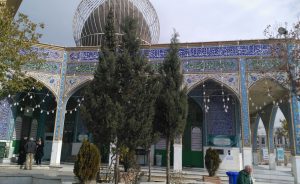
At the opposite end of the city, in the leafy foothills above Tajrish, Imamzadeh Ghassem gives its name to the old village around it. Local tradition links it to Qassem, son of Imam Hassan, who was killed at Karbala. A carved wooden chest was set over the grave in the Safavid period, and in the Qajar era the brick building was enlarged with an iwan and a tiled dome decorated with Kufic script.
Combine a visit with a walk through the lanes of the neighbourhood or a trip up to Darband.
Bibi Shahrbanu Shrine, Rey
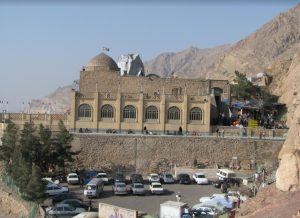
Perched on a mountainside above Rey and reachable by car, this shrine is dedicated by legend to Shahrbanu, said to be a daughter of the last Sasanian king, Yazdegerd III, and mother of the fourth Shia Imam. Some accounts suggest the hill was a place of worship for Anahita, the ancient Persian goddess of water, long before Islam. The view across southern Tehran is a bonus.
Adorian Fire Temple, central Tehran
Tehran’s only working fire temple sits on 30 Tir Street, the downtown street lined with churches, a synagogue and museums. It was built at the end of the Qajar period and consecrated in 1917, and its design echoes the great fire temple of Yazd. The flame burning inside was carried from Yazd, from a fire Zoroastrians have kept alight for many centuries.
The temple is still used for Zoroastrian ceremonies such as Nowruz, Sadeh and weddings, and at other times members of the public can usually look around. Entry has traditionally been free.
Tips for visiting
- Dress modestly at all shrines. Women should wear a headscarf and loose clothing; most large shrines lend chadors at the women’s entrance.
- Men and women often enter shrines through separate doors, and bags may be checked.
- Remove your shoes before entering the tomb chambers; there are shoe-keeping counters at the door.
- Photography is usually fine in courtyards but may be restricted inside. Ask if unsure.
- Rey’s sites are spread out, so hiring a driver or using a ride-hailing app for a half day is the easiest way to see several of them.
For more places to explore in the capital, browse our Tehran city guide.