Updated November 2026 We have refreshed the metro details, corrected walking distances to nearby sights and added advice on avoiding road closures during public gatherings.
Enghelab Square (Revolution Square, officially Meydan-e Enghelab-e Eslami) is one of central Tehran’s main crossroads and a handy base for exploring the city’s student and book district. It is free to visit, open around the clock and sits directly on Metro Line 4, so it works well as a starting point for a half-day walk east along Enghelab Street towards the University of Tehran and the City Theatre.

Where it is and what it is like
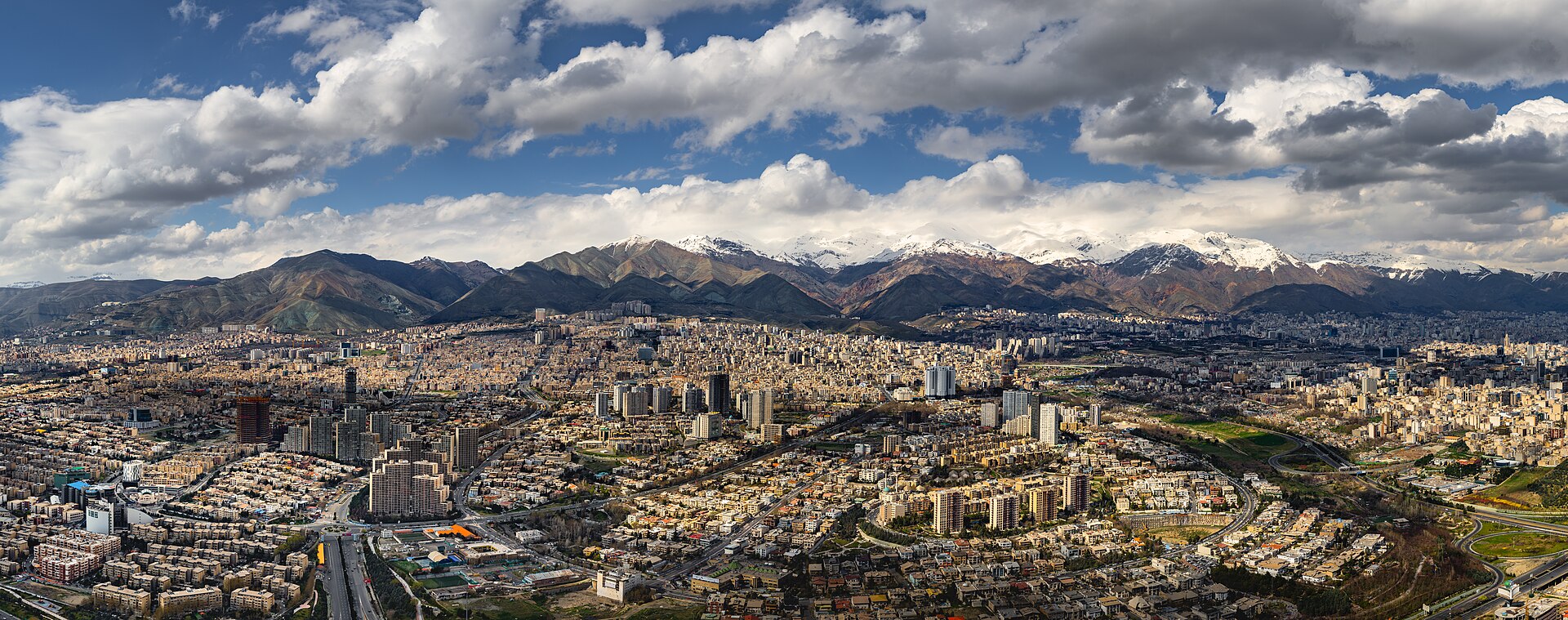
The square sits in District 11 of Tehran, where Enghelab Street meets Azadi Street (running west to Azadi Tower) and Kargar Street (running north–south). It is a busy traffic junction rather than a pedestrian plaza, ringed by bookshops, stationers, sandwich bars and phone shops, and full of students from the nearby universities at most hours of the day.
Under the first Pahlavi shah the square was called 24 Esfand, after Reza Shah’s birthday, and locals knew it as Statue Square because his statue stood in the middle. It took its current name after the 1979 revolution. The central island has been redesigned several times since and now carries large billboards, murals and monuments that change regularly.

The square is a regular venue for official rallies, when surrounding roads close and crowds are heavy, so check local news before heading over and avoid it on those days.
What to see and do nearby
- Enghelab Street bookshops: the stretch between the square and the university is Iran’s best-known book street, with publishers, academic bookshops, second-hand stalls and translation offices. It is a good place to pick up maps, art books or Persian learning materials.
- University of Tehran: the main campus lies just east of the square along Enghelab Street. Its gates and Friday prayer grounds are a city landmark; access to the campus itself is usually restricted to students and staff.
- City Theatre and Daneshjoo Park: continue east to the junction with Valiasr Street to reach the round City Theatre building, Tehran’s leading stage for contemporary drama, set in a small park. Our guide to Valiasr Street picks up from there.
- Cinemas and cafés: the area has several long-running cinemas and countless cheap sandwich shops, juice bars and traditional teahouses, which makes it lively in the evenings.
- Electronics: mobile phone and computer shops cluster around the square if you need a SIM card, charger or quick repair.
The National Museum of Iran and the National Jewellery Treasury are further south-east in the downtown government district. They are too far to walk comfortably from the square, but both are easy to reach by metro or taxi.
Getting there
The simplest option is the metro: Meydan-e Enghelab-e Eslami station on Line 4 has exits onto the square. See our Tehran Metro guide for tickets and connections. Taxis and ride-hailing cars can drop you on Enghelab, Azadi or Kargar Street, but traffic here is heavy at rush hour, so the metro is usually faster. Allow two to three hours if you want to browse the bookshops and walk to the City Theatre.
For more ideas on what to combine with a visit, browse our places to visit in Tehran.
Planning a trip to Tehran?
- Getting there: see which routes are running in our flights guide, and compare fares to Istanbul on Aviasales. You can also go overland via Armenia or Turkey.
- Getting online: a travel eSIM such as Airalo works from the moment you land.
- Budget beds: browse Tehran hostels on Hostelworld, or read our hotels guide.
- Costs and cover: work out a daily budget with the trip cost calculator, and check our insurance guide.
This box contains affiliate links. Read our disclosure.
A note on our affiliate links: LiT’s affiliate earnings are not earned from inside Iran. Our partners are international companies based outside the country, and no commission is paid to us by any business in Iran.