Updated November 2026. Nowruz, the Persian New Year, begins at the exact moment of the March equinox, and in 2027 that moment falls late on a Saturday night in Tehran: at about 23:54 Iran Standard Time on Saturday 20 March 2027, opening the Iranian year 1406. Because the moment is the same everywhere, it lands at very different clock times around the world, from Saturday afternoon in California to Sunday morning in Sydney. This guide gives the times, the holidays and the customs, and we update this page every year as the next Nowruz approaches.
When is Nowruz 2027?
The new year starts with sal tahvil (also written tahvil-e sal), the instant the Sun crosses the celestial equator heading north. The US Naval Observatory puts the 2027 March equinox at 20:25 UT on 20 March 2027 (rounded to the minute); other almanacs list 20:24 UTC, and our own calculation places it at about 20:24:40 UTC. In Tehran, which is UTC+3:30 all year, that is 23:54 on Saturday 20 March, the last day of Esfand 1405.
Iran’s calendar rule is simple: if the equinox comes before noon Tehran time, that day is 1 Farvardin; if it comes after noon, the new year’s first day is the following day. With the moment falling just before midnight, 1 Farvardin 1406 is Sunday 21 March 2027. Most families will count down to the tahvil at home on Saturday night and begin visiting on Sunday.
The official second-by-second time is announced each year by the Calendar Centre of the University of Tehran’s Institute of Geophysics, which publishes Iran’s official calendar. We will add that figure here once the 1406 calendar is released.
Sal tahvil around the world
| City | Local time | Day |
|---|---|---|
| Tehran | 23:54 (IRST, UTC+3:30) | Saturday 20 March |
| London | 20:24 (GMT) | Saturday 20 March |
| Berlin | 21:24 (CET) | Saturday 20 March |
| New York / Toronto | 16:24 (EDT) | Saturday 20 March |
| Los Angeles | 13:24 (PDT) | Saturday 20 March |
| Dubai | 00:24 (GST, UTC+4) | Sunday 21 March |
| Sydney | 07:24 (AEDT) | Sunday 21 March |
Times are given to the minute and may differ by up to a minute from the official Iranian announcement, which quotes seconds. Note the clock changes: North America moves to summer time on the second Sunday in March (14 March 2027), so New York, Toronto and Los Angeles are already on daylight time, while the UK does not change until 28 March 2027, so London is still on GMT. Iran itself no longer changes its clocks; see our guide to daylight saving time and Iran’s time zone.
Key dates for Nowruz 1406
| Date (2027) | Persian date | What happens |
|---|---|---|
| Tuesday 16 March (evening) | 25 Esfand 1405 | Chaharshanbe Suri, the fire festival |
| Saturday 20 March | 29 Esfand 1405 | Public holiday (nationalisation of the oil industry); sal tahvil at about 23:54 |
| Sunday 21 – Wednesday 24 March | 1–4 Farvardin 1406 | Nowruz public holidays |
| Thursday 1 April | 12 Farvardin | Islamic Republic Day, public holiday |
| Friday 2 April | 13 Farvardin | Sizdah Bedar (Nature Day), public holiday |
The fixed holidays above follow Iran’s official holiday list; Gregorian dates are converted from the Persian calendar. Schools stay closed until after Sizdah Bedar, and many private businesses, especially family-run shops, take the full fortnight. The government sometimes adds extra “bridge” days, so check the official 1406 calendar when it is published.
Ramadan also comes early in 2027. It is expected to begin around 8 February, putting Eid al-Fitr around 9–11 March, about ten days before Nowruz. In Iran the exact Eid date depends on the moon sighting, and the first two days of Shawwal are public holidays, so mid-March 2027 will bring two holiday periods close together.
What is Nowruz?
Nowruz means “new day”. It is Iran’s biggest holiday, older than the country’s religions and celebrated by Muslims, Zoroastrians, Christians, Jews, Baha’is and the non-religious alike. Its roots lie in the spring festivals of the ancient Persian world, and it is tied to the farming year: the return of warmth, green shoots and longer days.
The festival has long outgrown Iran’s borders. UNESCO’s multinational listing of Nowruz, first inscribed in 2009, was extended in 2024 to 13 countries, from Afghanistan and Azerbaijan to Mongolia and Türkiye, and the UN marks 21 March as the International Day of Nowruz. Our guide to where else Nowruz is celebrated covers the many local versions, from Afghan haft mewa to Central Asian sumalak.
The custom of beginning the year at the equinox itself, to the minute, is what makes the Iranian version distinctive. Families gather around the table as the countdown is broadcast on television and radio, often with a prayer for the turning of the year, then embrace, give gifts and say “Nowruz mobarak” or “Eid-etoon mobarak”.
The run-up: khane takani and the shopping rush
Weeks before the new year, households start khane takani, literally “shaking the house”: carpets are washed, curtains taken down, cupboards emptied and everything made ready for the stream of visitors to come. Our guide to khane takani and the run-up to Nowruz explains the custom in detail.
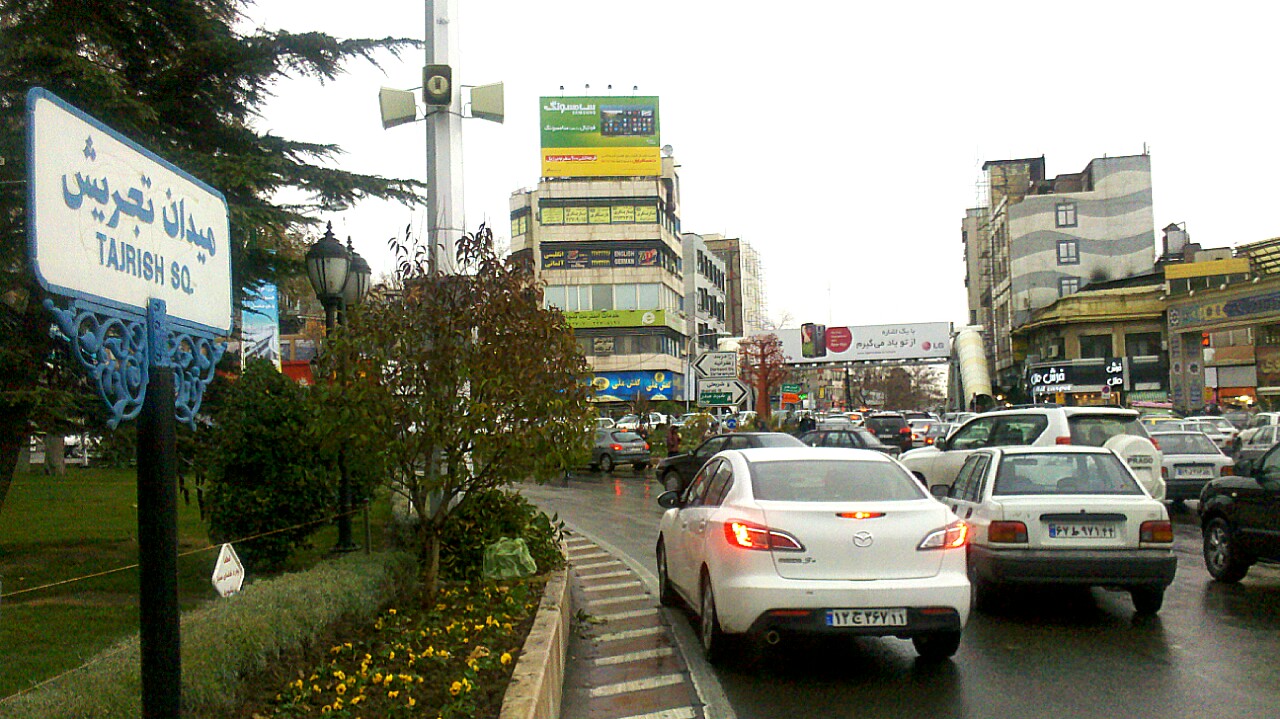
The last two weeks of Esfand are also the busiest shopping weeks of the year. New clothes, sweets, nuts and haft-sin items fill the Grand Bazaar and Tajrish Bazaar, and goldfish, hyacinths and trays of sprouted wheat appear on pavements across the city. Our Nowruz shopping guide covers where to go.
Chaharshanbe Suri: Tuesday 16 March 2027
On the evening of the last Tuesday of the year, which in 2027 is Tuesday 16 March, Iranians mark Chaharshanbe Suri, the “Red Wednesday” fire festival. People light small bonfires and jump over them, chanting a verse that asks the fire to take their pallor and sickness and give them its warmth and redness. Firecrackers have become a noisy and sometimes dangerous part of the night in Tehran, and hospitals brace for burns and injuries. Read our full guide to Chaharshanbe Suri.
The haft-sin table
The heart of Nowruz at home is the haft-sin, a spread of seven items whose Persian names begin with the letter sin (S): sabzeh (sprouted wheat or lentils), samanu (sweet wheat pudding), senjed (dried oleaster), serkeh (vinegar), sib (apple), sir (garlic) and somaq (sumac). Around them sit a mirror, candles, painted eggs, coins, a goldfish, hyacinths and a book, often the Qur’an, the poems of Hafez or the Shahnameh. If you are setting one up for the first time, follow our step-by-step guide: Create your first haft-sin.
The thirteen days
Nowruz is not a single day but a season. The first days are for visiting elders, then the wider family and friends, a round of tea, sweets, nuts and fruit known as eid didani. Children receive eidi, gifts of crisp new banknotes. The middle of the holiday is when Iranians travel: to the Caspian coast, to Isfahan and Shiraz, or back to their home towns.
On the thirteenth day, Sizdah Bedar (Friday 2 April 2027), families leave the house for a picnic, since staying indoors on the thirteenth is thought unlucky. At the end of the day the sabzeh from the haft-sin is thrown into running water, carrying away the year’s ill fortune, and young people tie blades of grass in the hope of finding a partner. See our guide to Sizdah Bedar in Tehran.
What people eat
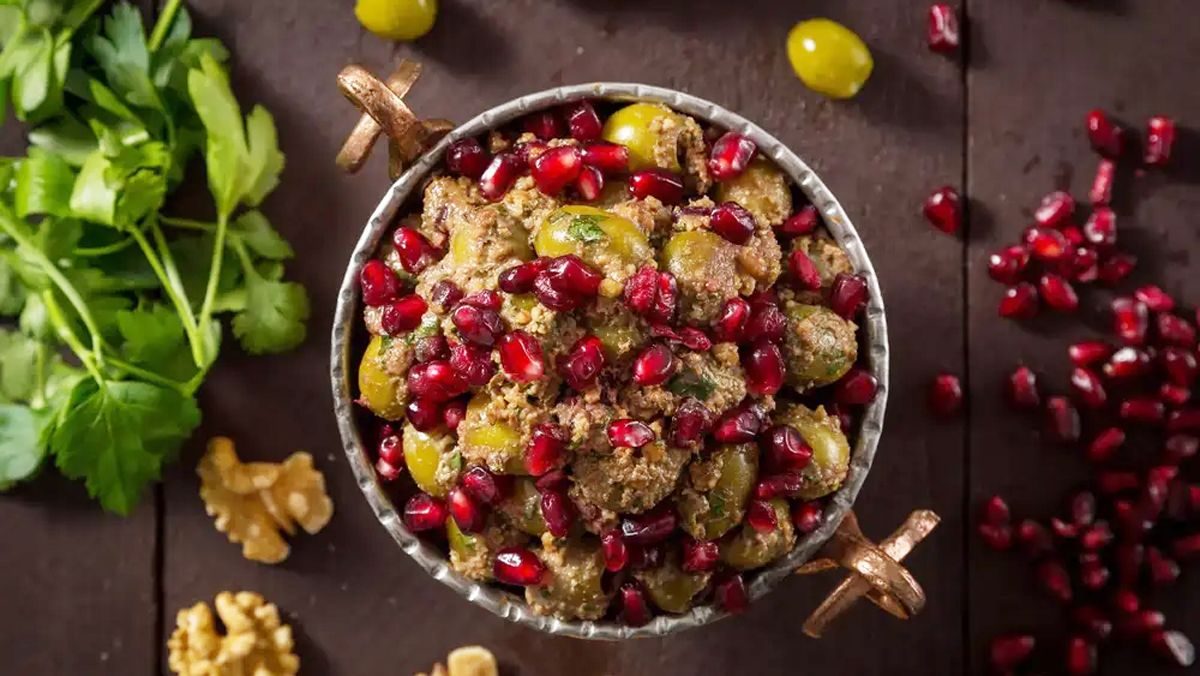
The classic new year meal is sabzi polo ba mahi, herbed rice with fish, often served with kuku sabzi, a thick herb frittata. Ash-e reshteh, a noodle and bean soup, is eaten for luck before or during the holiday. Visitors are offered shirini (pastries) such as nan-nokhodchi chickpea biscuits, baklava and toot, alongside ajil, the festive mix of nuts and dried fruit. You can find recipes in our Persian recipes section, and more on the customs in Nowruz, the ancient Persian New Year explained.
Practical tips for Nowruz in Iran
- Expect closures. Government offices, banks and most businesses shut from 29 Esfand to at least 4 Farvardin, and many stay closed or on reduced hours until after 13 Farvardin. The bazaars, busy right up to the tahvil, close for the first days of the new year. Do your banking and currency exchange before mid-March.
- Book travel early. Domestic flights, trains and intercity buses sell out weeks ahead, and roads to the north and to popular cities are packed in the first days of Farvardin. Hotel prices in Isfahan, Shiraz, Yazd and on the Caspian rise sharply.
- Prices rise before the holiday. Fruit, nuts, sweets, clothes and taxi fares all climb in the last weeks of Esfand. Check our weekly Iran price trackers to get a sense of what is normal.
- Tehran empties out. Millions of Tehranis leave the city, so the capital is unusually quiet, with clear roads and often cleaner air. Museums and major sights generally stay open for the holiday crowds, though hours can change; check before you go.
- Take care on Chaharshanbe Suri. Firecrackers are loud and unpredictable. Keep children and pets indoors in busy neighbourhoods.
- Check the news before you travel. Read our latest travel advisories for Iran and your own government’s guidance.
Frequently asked questions
What time is Nowruz 2027 in Tehran?
The moment of the new year (sal tahvil) is at about 23:54 Iran Standard Time on Saturday 20 March 2027, based on the equinox at 20:24–20:25 UTC. The official Iranian calendar gives the time to the second.
What date is Nowruz 2027?
The first day of the Iranian year 1406, 1 Farvardin, is Sunday 21 March 2027. The equinox itself falls on Saturday night in Iran, Europe and the Americas and on Sunday morning in the Gulf, Asia and Australia.
What time is Nowruz 2027 in London and New York?
20:24 GMT in London and 16:24 EDT in New York and Toronto, both on Saturday 20 March 2027. In Los Angeles it is 13:24 PDT.
Why does the date of Nowruz change?
The Gregorian calendar and the solar year do not line up exactly, so the equinox drifts by about six hours each year and jumps back with each leap year. Depending on the year and the local time zone, the equinox falls on 20 or 21 March, and in the Americas sometimes on the evening of 19 March.
How long is the Nowruz holiday in Iran?
Officially, Nowruz itself is four public holidays (1–4 Farvardin), plus the oil nationalisation holiday on 29 Esfand, Islamic Republic Day on 12 Farvardin and Sizdah Bedar on 13 Farvardin. In practice, much of the country slows down for about two weeks, and schools close until after the thirteenth day.
When are Chaharshanbe Suri and Sizdah Bedar in 2027?
Chaharshanbe Suri is on the evening of Tuesday 16 March 2027. Sizdah Bedar is on Friday 2 April 2027.
What do you say at Nowruz?
“Nowruz mobarak” (happy Nowruz) or “Eid-e shoma mobarak” (happy new year to you). “Sal-e no mobarak” (happy new year) is also common.
Is it a good time to visit Iran?
The weather is mild and the festive atmosphere is memorable, but transport and hotels are at their busiest and dearest, and many services close. If you come, book everything early and plan your money before the holiday begins.