Updated November 2026 We have rechecked the main car-buying websites and updated this guide for today’s market, where imports have resumed on a limited scale and prices have risen sharply since the war.
If you are wondering where to buy a car in Iran, the short answer is online first, showroom second. Almost every used car for sale in Tehran is listed on one of three Persian-language websites, and most dealers advertise there too. Browsing them is the quickest way to see what is available, what it should cost and where the seller is based, before you go and look at anything in person.
Bama: the go-to site for cars
Bama (bama.ir) is Iran’s best-known car marketplace and the place most Iranians check before they buy or sell. It carries listings from private sellers and registered dealers, with filters for make, model, year, mileage and city, and a daily price section that shows what each model is currently fetching. Even if you end up buying elsewhere, Bama’s price pages are the reference point that sellers and buyers argue from.
Dealers on Bama have their own pages showing their stock and location, which makes it a useful directory of showrooms (namayeshgah) across Tehran and other cities.
The site is entirely in Persian, and the layout takes some getting used to. If you do not read Persian, browser translation will get you most of the way, but ask an Iranian friend or colleague to help when you start contacting sellers.
Divar and Sheypoor: general classifieds
Divar and Sheypoor are Iran’s big all-purpose classifieds platforms, similar to Gumtree or Craigslist. Both have large vehicle sections alongside property, furniture, phones and everything else. Divar in particular is used heavily by private sellers, so it can turn up cars that never make it onto Bama. Both are app-first and in Persian.
As with any classifieds site, treat listings as a starting point. Prices in adverts are often optimistic, and the same car may appear on several platforms at once.
New cars from Iranian manufacturers
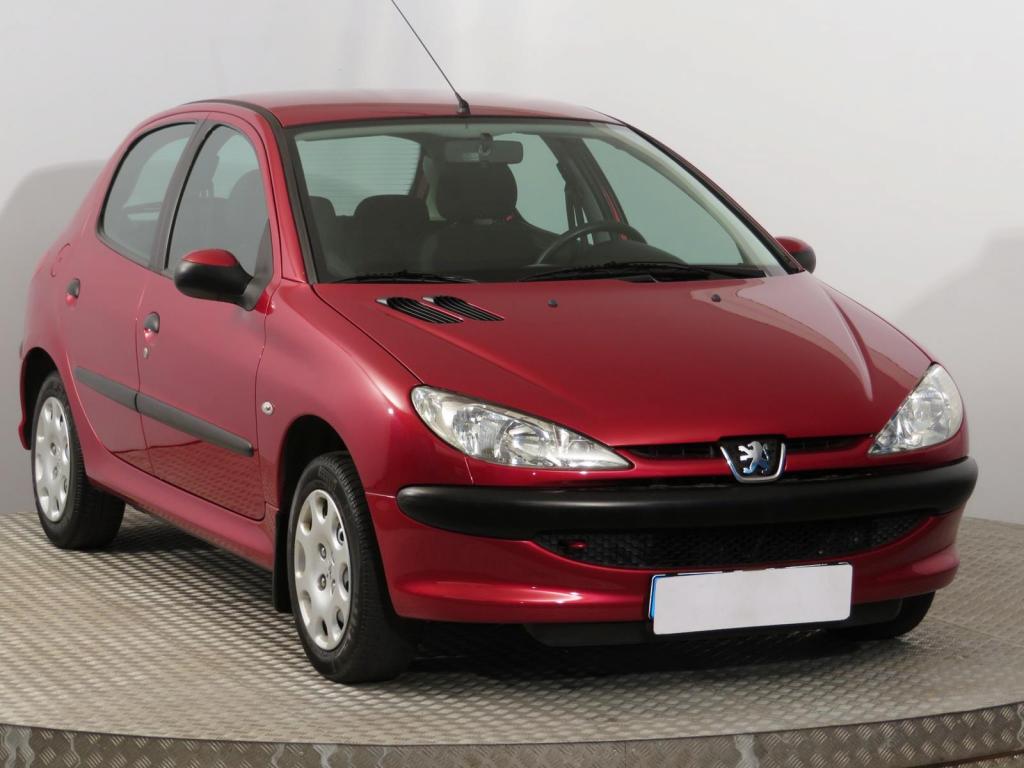
Most new cars on Iranian roads are made locally by Iran Khodro and Saipa, with smaller makers such as Bahman, Kerman Motor, Pars Khodro and Farda also selling models. Buying one new from the factory is not straightforward. Factory prices are set well below market value, demand far outstrips supply, and the right to buy is allocated through registration schemes and draws, as The Drive explained in September 2026. In practice, most people who want a car quickly buy a nearly new one on the open market from someone who won an allocation, paying the market price.
Imported cars
Iran banned most car imports in 2018 and began reopening the market in 2023. Imports now come in through a limited number of approved importers, mainly Chinese, Japanese and Korean brands, and are sold through official channels at prices well above what the same car costs abroad. Import duties and taxes add a great deal to the final price. In January 2026 the trade ministry said around 100,000 passenger cars had been ordered for import, of which about 39,100 had been delivered, according to Trend.
European premium brands are rarely sold through official dealers now. Most German and other European cars you see for sale are older models already in the country, traded through private sellers and independent showrooms. These show up on Bama and Divar like any other car.
If you are an Iranian living abroad and thinking of bringing a car with you, see our guide to car import rules for Iranians living abroad.
Prices
Car prices in Iran move quickly, and many Iranians treat a car as a way of protecting savings against inflation rather than as something that loses value. Domestic models have become much more expensive since the war began in 2026. Rather than rely on figures that will be out of date within weeks, check our weekly Iran car prices page, and compare it with Bama’s daily price list before you negotiate. Our wider Iran prices trackers cover fuel and other everyday costs.
Tips before you buy
- Get the car inspected. Use an independent mechanic or a paid inspection service rather than relying on the seller’s word. Check for accident repairs and repainted panels, which affect value considerably in Iran.
- Check the paperwork. Make sure the ownership card and documents match the car and the seller, and that there are no unpaid fines or outstanding obligations on it.
- Complete the transfer properly. Ownership changes are formalised at a notary office, and the plate and registration transfer goes through the police. Have a Persian speaker with you.
- Be wary of deposits. Do not send money before seeing the car and the documents in person.
- Foreign residents: rules on whether non-Iranians can register a car in their own name depend on residency status. Check with your employer or a local lawyer before committing.