Updated November 2026 Revised for the long internet shutdown of 2026, Tehran’s water shortages and current price trends; outdated budget figures have been replaced with links to our live price trackers.
The pros and cons of living in Tehran come down to a trade-off: in return for traffic, smog, unreliable internet and a fast-changing economy, you get a capital with excellent doctors, a deep cultural life, low everyday costs for anyone earning in hard currency, mountains on the doorstep and some of the warmest hospitality anywhere. Whether Tehran suits you depends on which of those matters most. This guide sets out both sides honestly, based on years of living here, so you can decide before you sign a lease. For a broader look at expat life, see our guide to living in Iran as a foreigner.
Healthcare
Pro. Healthcare is one of Tehran’s real strengths. The city has a large pool of well-trained specialists, many of whom studied or worked abroad, and private hospitals offer a high standard of care at a fraction of Western prices. Arad General Hospital is one private hospital in north Tehran that sees foreign patients; our guide to Tehran’s healthcare and hospitals covers more options.
Con. Sanctions affect the supply of some imported medicines and equipment, so bring a supply of any specialist medication you rely on, and check that your health insurance covers you in Iran.
Education and culture

Pro. Tehran is Iran’s intellectual and cultural capital. Its universities are among the best in the region, there are international and embassy-linked schools for expat families, and the city has dozens of museums, galleries, theatres and cinemas, from the national collections to small specialist museums such as the Geoscience Museum of Iran.
Con. Foreign-curriculum school places are limited and fees are high, and some embassy-linked schools only admit children of certain nationalities. Contact schools well before you move.
Weather and environment
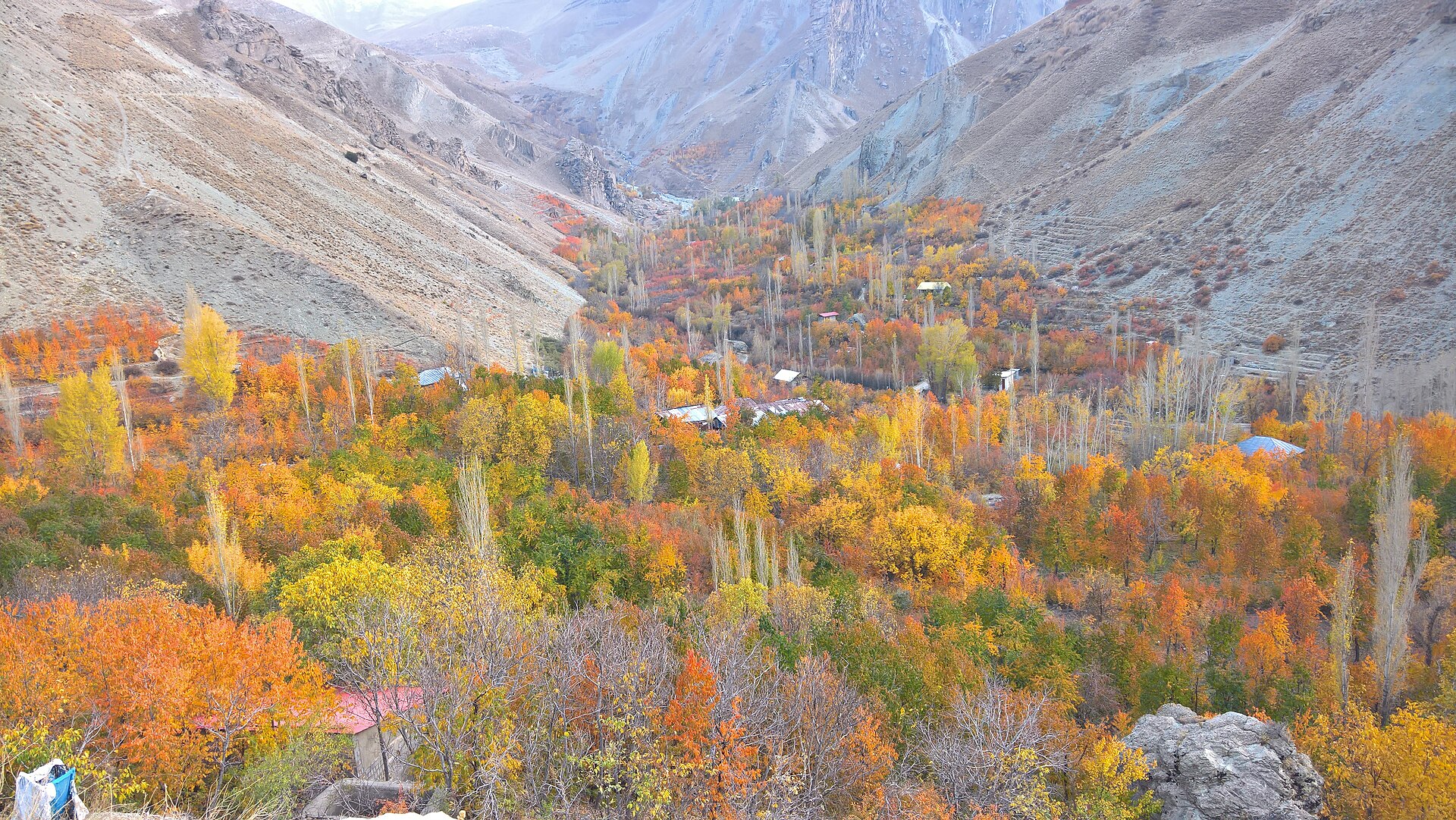
Pro. Tehran has four proper seasons. Spring and autumn are lovely, winters bring snow to the north of the city and the ski slopes of the Alborz are less than an hour away. Our guide to Tehran’s weather explains what to expect month by month.
Con. Summers are very hot and dry, and air pollution regularly reaches unhealthy levels, especially in winter when temperature inversions trap smog over the city. Keep an eye on daily readings with an air quality app. Water is a growing concern too: after years of drought, Tehran has had overnight water pressure cuts and officials have urged residents to keep reserve storage tanks, as reported in November 2025. Most residents drink bottled or filtered water.
Smoking and vaping

Attitudes to smoking are relaxed. Smoking indoors in public places is banned, but enforcement is patchy, and you will see people smoking on café terraces, mall balconies and in the street. Local cigarettes are cheap; imported vaping products cost much more. If you vape, see our guide to buying e-cigarettes in Tehran. Non-smokers will find that most modern cafés and restaurants are smoke-free inside.

Traffic and getting around

Con. With around nine million people in the city itself and many more in the surrounding region, Tehran is crowded, and its traffic is notorious. Driving yourself is stressful at first: local driving habits are assertive, lane discipline is loose and parking in central and northern districts is hard to find.
Pro. You rarely need a car. Ride-hailing apps such as Snapp are cheap and easy to use (see how they compare with regular taxis and how to download them). The metro is clean, inexpensive and covers much of the city, though it is packed at rush hour and the women-only carriages are worth knowing about. Buses and shared taxis fill in the gaps.

Food and eating out

Pro. Persian food is excellent, and Tehran’s dining scene has grown a great deal in recent years, with good cafés, bakeries and restaurants serving Italian, Japanese, Lebanese and other cuisines alongside traditional Iranian cooking.
Con. Variety is still narrower than in other big international cities, there is no alcohol, and imported ingredients can be expensive or hard to find.

Family and social life

Pro. Iranians are famously hospitable and family-oriented, and children are welcome almost everywhere. Parks are busy and safe in the evenings, and there are children’s theatres, play centres and family days out in the mountains.
Con. Few restaurants have play areas, and pavements and public spaces are not designed with pushchairs in mind. Making close friends can take time if you do not speak Persian, and the expat community is smaller than it was. Women, especially when alone, may get unwanted attention, including on crowded metro trains.
Internet and communication

Con. This is the biggest drawback for anyone who works online. Many international websites and social media platforms are filtered, so a VPN is a daily necessity (see our guide to Iran’s VPN market). Connections can also be cut entirely: after a shutdown that began in January 2026 and continued through the war, internet access was only partly restored on 26 May 2026, with mobile data slower to return and some platforms still needing a VPN, according to Dawn. Speeds are often too slow for reliable video calls. If your income depends on being online, have a back-up plan.
English is widely spoken among younger, educated Tehranis but much less so in shops, offices and taxis, so even basic Persian makes daily life far easier.
Everyday practicalities
- Electricity: 230V, 50Hz, with European-style two-pin sockets. Summer power and water restrictions have led to some public holidays and office closures in recent years.
- Mobile: Irancell (MTN Irancell) and Hamrah-e Aval are the main networks; our guide to Iran’s mobile networks explains SIM cards and phone registration.
- Housing: property sites such as Divar and Sheypoor are the main way to find a flat; see our top websites for renting and buying in Tehran, and for short stays our Airbnb alternatives in Iran.
- Hotels: international booking sites do not work for Iran, so contact hotels directly or use a local agency.
- Flights: Iran Air, Mahan Air and other Iranian carriers connect Tehran with cities across the country; see our guide to domestic flights.
- Banking: foreign cards do not work, so you will need cash or an Iranian bank account or tourist card.
Cost of living

Pro. If you earn in euros, dollars or pounds, Tehran is cheap by international standards. Taxis, public transport, eating out, domestic help and most services cost far less than in Europe or the Gulf.
Con. High inflation means prices change constantly, and anyone paid in rials feels it sharply. Rents in north Tehran are expensive, and landlords often expect a large deposit (rahn) alongside monthly rent. For up-to-date figures, use our Iran prices trackers rather than relying on any fixed budget.
Tipping and haggling

Tipping is not compulsory but is appreciated. Around 10% in a restaurant is generous, and rounding up for taxi drivers and delivery riders is normal. Check your bill first, as some restaurants add a service charge.
Haggling is expected in bazaars and with independent traders, but keep it friendly and reasonable. In shops, cafés and restaurants with printed prices, the price is the price.