
Updated November 2026 UN sanctions on Iran were reimposed in September 2025, adding to existing US and EU measures, so compliance checks now matter even more for anyone doing business in Iran.
Doing business in Iran rewards patience, good relationships and careful homework. The country has a large, well-educated consumer market, a strong entrepreneurial culture and a business etiquette that values courtesy and trust as much as contracts. This beginner’s guide covers the basics: how meetings work, how to set up, how to check partners and what to watch out for.
Understand the setting
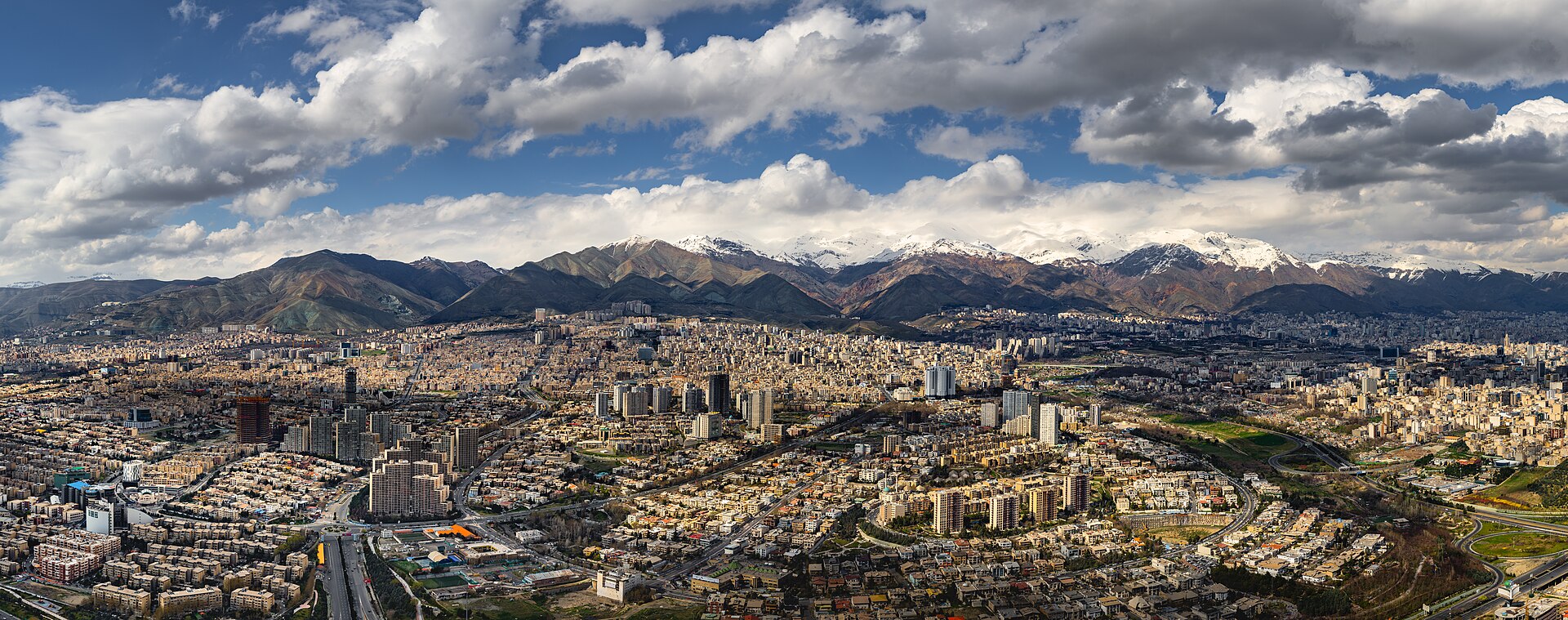
Iran has a population of around 90 million, much of it young and urban, and Tehran is the commercial centre. Many companies, from bazaar traders to large industrial groups, are family-run, and decisions often rest with a senior figure rather than the person you first meet. The state and semi-state bodies also play a big part in the economy, especially in energy, industry, banking and telecoms.
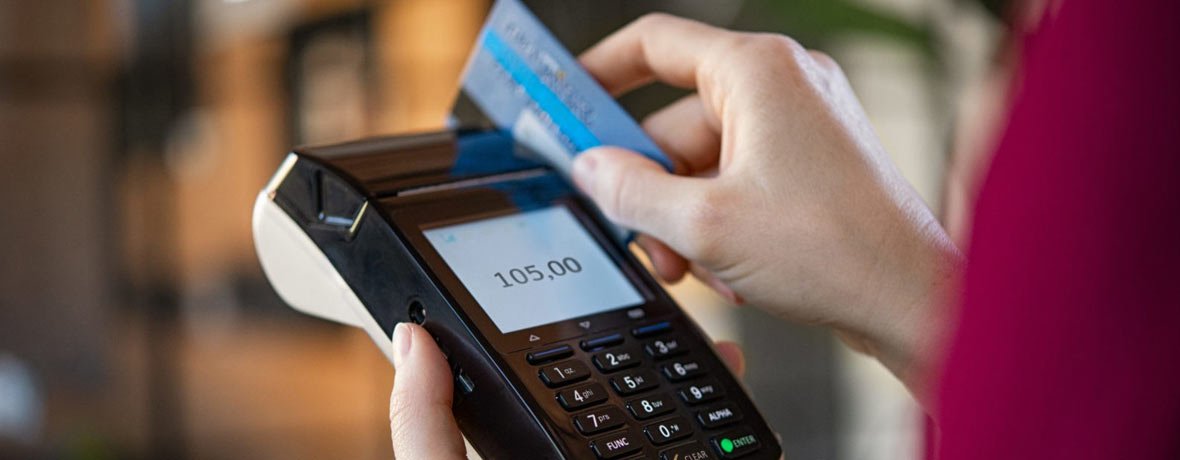
Sanctions shape almost everything. The US maintains broad sanctions, and in September 2025 UN sanctions were reimposed through the “snapback” mechanism, with the EU and UK restoring their own measures (Herbert Smith Freehills Kramer). Foreign bank cards do not work in Iran and international payments are difficult. Before you sign anything, take specialist legal advice on what your own government’s rules allow.
Meeting etiquette
- Greetings: shake hands with everyone when you enter a meeting, starting with the most senior person. In more religious settings, many men and women do not shake hands with the opposite sex; wait to see whether a hand is offered, and if not, a smile and a hand on the heart is a polite alternative.
- Names and titles: use titles such as Mohandes (engineer) or Doktor with the surname until you are invited to be less formal. Agha (Mr) and Khanom (Mrs or Ms) are always safe.
- Small talk first: expect tea and several minutes of conversation about family, travel and your impressions of Iran before business comes up. Rushing straight to the point can seem rude.
- Hospitality and taarof: Iranian politeness involves ritual offers and refusals. A first “no” may not be final, and a generous offer may be a courtesy. With time you will learn to read it; our guide to doing business in Iran explains more.
- Dress: conservative business dress for men; women must cover their hair and should wear a long, loose coat or jacket.
- Calendar: the working week starts on Saturday. Friday is the weekly day off, and government offices and many companies are closed on Thursdays too. Official dates use the Persian solar calendar. Avoid planning trips around Nowruz in late March, when much of the country stops for two weeks.
Relationships matter more than paperwork
Personal trust is central. Iranian partners often want to know you before they commit, so expect several meetings, meals and follow-up calls. Contracts are still essential, but a strong relationship is often what keeps a deal on track when problems arise. Networking through chambers of commerce, trade fairs and introductions from people you trust opens doors faster than cold emails.
Setting up a business
Foreign companies usually enter Iran in one of three ways: through a local agent or distributor, by opening a registered branch or representative office, or by setting up an Iranian company, often with a local partner. Companies are registered with the official company registration office, and many activities also need a licence from the relevant ministry. Foreign investment can be protected under Iran’s Foreign Investment Promotion and Protection Act, which is administered by the Organization for Investment, Economic and Technical Assistance of Iran.
Expect the process to take months rather than weeks, and budget for local legal and accounting advice. You will also need an Iranian bank account, local suppliers and, in most sectors, a reliable local partner to handle the bureaucracy. Iran’s free trade zones, such as Kish and Qeshm, have simpler rules on ownership, visas and customs and can be an easier starting point.
Check before you trust
- Verify a company’s registration and directors in the official company register, and ask for references from other clients.
- Check that the people you deal with have the authority to sign for the company.
- Be alert to fraud. Fake websites and phishing emails that imitate real companies, banks and government bodies are common; confirm details by phone before sharing information or sending money.
- Screen partners and their owners against sanctions lists before you engage.
- Put agreements in writing, in Persian and English, and get them reviewed by an Iranian lawyer.
Practical tips for beginners
- Research the market thoroughly before you visit; local partners will expect you to know the basics.
- Bring plenty of business cards, ideally with Persian on the reverse.
- Learn a few phrases of Persian; even a simple greeting builds goodwill.
- Be patient with delays and keep following up politely.
- Keep an eye on the exchange rate, which can move sharply; follow it on our exchange rate tracker.
For visas, see our guide to the Iran business visa, and browse more advice in our Doing Business section.
Learn the Persian: Get ready for meetings and formal emails with Persia Learning’s lesson on work, study and the office. Try the first lesson free →