Updated November 2026 Entry rules have shifted several times since 2025, including tighter conditions for some Western travellers and the end of visa-free entry for Indian and Lebanese citizens, so always confirm on the official portal before you book.
Choosing the right Iran visa type comes down to one question: why are you going? Iran issues separate visas for tourism, business, study, work, pilgrimage, transit, journalism and diplomatic travel, each marked by a letter and each with its own paperwork. This guide explains every main category, who it is for and what you need before you apply, so you can pick the right one first time.

How Iranian visas work
Iranian visas are issued through the Ministry of Foreign Affairs. Most travellers start online at the official e-visa portal or through a licensed Iranian travel agency, which secures an authorisation code. You then collect the visa either at an Iranian embassy or consulate abroad or, for eligible nationalities, on arrival at an international airport such as Imam Khomeini.
A few points apply to almost everyone:
- Your passport should be valid for at least six months beyond your stay.
- Dual nationals are treated as Iranian and must enter on an Iranian passport.
- Citizens of a number of countries can visit without a visa for a limited period, but this list changes. India’s visa-free entry was cancelled in November 2025 and Lebanon’s in May 2026.
- US, UK and Canadian citizens cannot use the e-visa or visa on arrival routes. They must apply in advance through a licensed agency and, for tourism, travel on a pre-arranged guided tour.
- The islands of Kish and Qeshm and other free trade zones allow short visa-free visits for all tourists.
For more background, see our guides to visas and booking and flying to and within Iran.
Business visa (Type A)

Sometimes called the entry visa, the Iran business visa is for professional visits: meetings and negotiations, signing contracts, attending trade fairs and conferences, academic exchanges and installing or servicing equipment. You need a formal invitation from an Iranian ministry, government body, company or event organiser.
It suits company representatives and traders, researchers and academics, government and international organisation staff, specialists and technicians, artists and members of sports teams. If you are new to the market, start with our guide to doing business in Iran.
Tourist visa (Type B)

The tourist visa is by far the most common type. It covers sightseeing and visiting friends or relatives, and short business trips or conference visits can sometimes be arranged on it through an authorised agency. It is normally issued for up to 30 days and can be extended inside Iran.
Most nationalities can apply for an Iran e-visa. Since late 2025, travellers are generally expected to give a rough itinerary and stay in registered hotels or guesthouses, and some Western nationalities face extra conditions, so check the latest rules before you travel.
Pilgrimage visa (Type C)

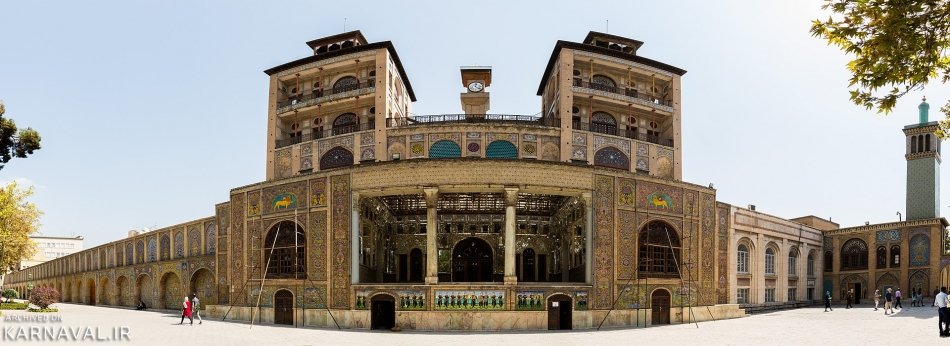
The pilgrimage visa is for Muslim visitors travelling to Iran’s shrines, such as the Imam Reza Shrine in Mashhad and the Fatima Masumeh Shrine in Qom. It works much like a tourist visa for stays of up to 30 days. Non-Muslims who want to see religious sites, such as these religious buildings around Tehran, should apply for a standard tourist visa.
Diplomatic visa (Type D) and service visa (Type S)

These are for holders of diplomatic, official and service passports. They cover diplomatic and consular staff posted to Iran, staff of international organisations, their official guests, and official passport holders attending conferences, training or cultural programmes. Applications go through your government’s foreign ministry and Iran’s diplomatic channels rather than the standard tourist route.
Student visa (Type E)

The education visa is for school and university students, seminary students and researchers. You must first be accepted by an Iranian school, university or seminary, which issues the eligibility letter the Foreign Ministry needs. Our step-by-step guide explains how to get an Iranian student visa.
Work visa (Type F)

The temporary work visa is for skilled foreign workers and specialists, such as engineers, medical staff and industrial experts. Your Iranian employer has to sponsor you and obtain approval from the Ministry of Labour before the visa can be issued, and you then apply for a work permit after arrival. Iranian labour law limits foreign employment to roles that cannot be filled locally, so this route is not open for general jobs.
Transit visa (Type G)

If you need to cross Iran by land on the way to another country, for example as a lorry driver, an overland traveller or a trader, you need a transit visa. You must already hold a valid visa or entry permission for your next destination. If you are only changing planes at Imam Khomeini Airport, check the requirement for your nationality with your airline before you fly.

Press visa (Type H)

Journalists, camera crews and other media workers must apply for a press visa, which involves approval from the Ministry of Culture and Islamic Guidance and usually a longer wait. Reporting on a tourist visa is not allowed. Our guide to the Iran press visa explains the process.
Before you travel
- Apply well ahead of your trip, especially if you need an agency-arranged visa.
- Check your own government’s travel advice for Iran, which has changed frequently since 2025, and make sure your travel insurance covers you.
- Foreign bank cards do not work in Iran, so plan to bring cash. Our Iran prices tracker will help you budget.
- Sort out a local SIM card early. Read our guide to Iran’s mobile networks.
Learn the Persian: Arriving soon? Start with Persia Learning’s 100 common Persian phrases for Tehran, each with an easy Latin spelling. Try the first lesson free →
Whatever visa you travel on, a travel eSIM is the quickest way to get online when you land; see our eSIM guide.
A note on our affiliate links: LiT’s affiliate earnings are not earned from inside Iran. Our partners are international companies based outside the country, and no commission is paid to us by any business in Iran.